Tag Archives: embroidery

Retrospective – an Archive of work from 2007/8

Past Forward 2008
This exhibition was the result of seven artists and a composer working with the art of the past.
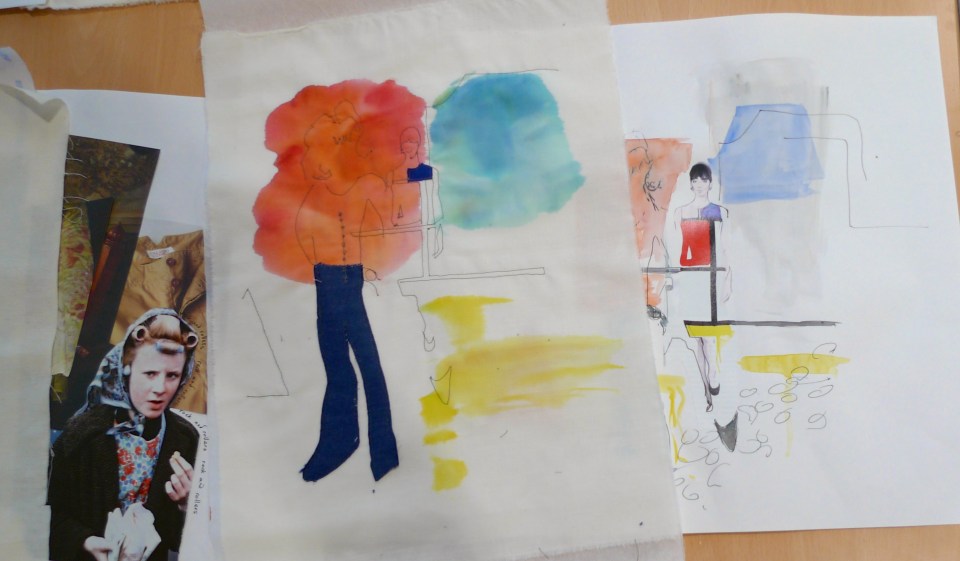
Each one chose a particular artist and made studies from their work, in the form of drawings, sketches and paintings. The knowledge gained from this analysis was used to make more personal pieces. The artist I studied was Grant Wood.
Grant Wood (1891-1942)
Best  known for his famous canvas American Gothic (1930)  American artist Grant Wood was born and raised in Iowa in America’s rural heartland .
Grant Wood founded his art on his heritage and pioneered a new vision of Regionalist Art.After a trip to Europe in 1928 he started to experiment with some artistic elements adapted from the old Flemish masters using their decorative patterning and solid contoured painting in his subsequent work.
I first became interested in Grant Wood’s paintings a few years ago when I used a transcription of American Gothic  for a series of 5 self portraits so I decided to take a closer look at his lesser known work.
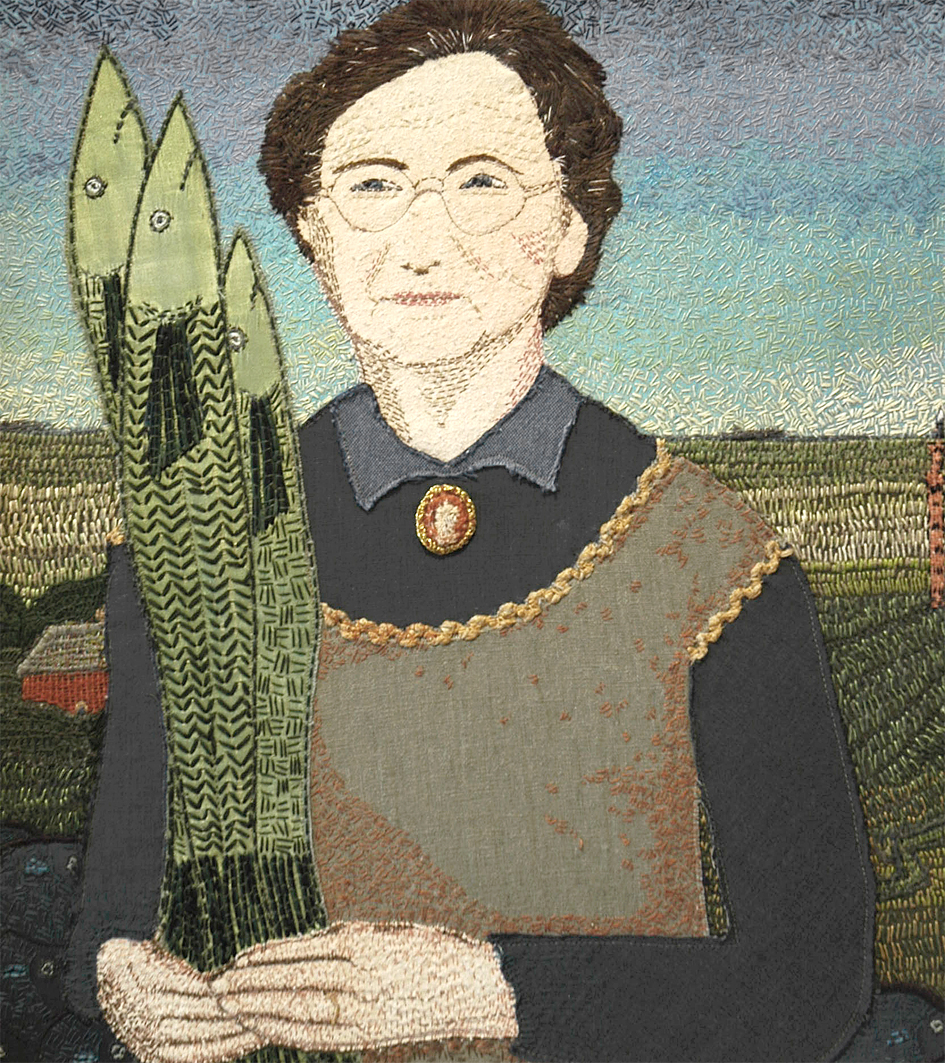
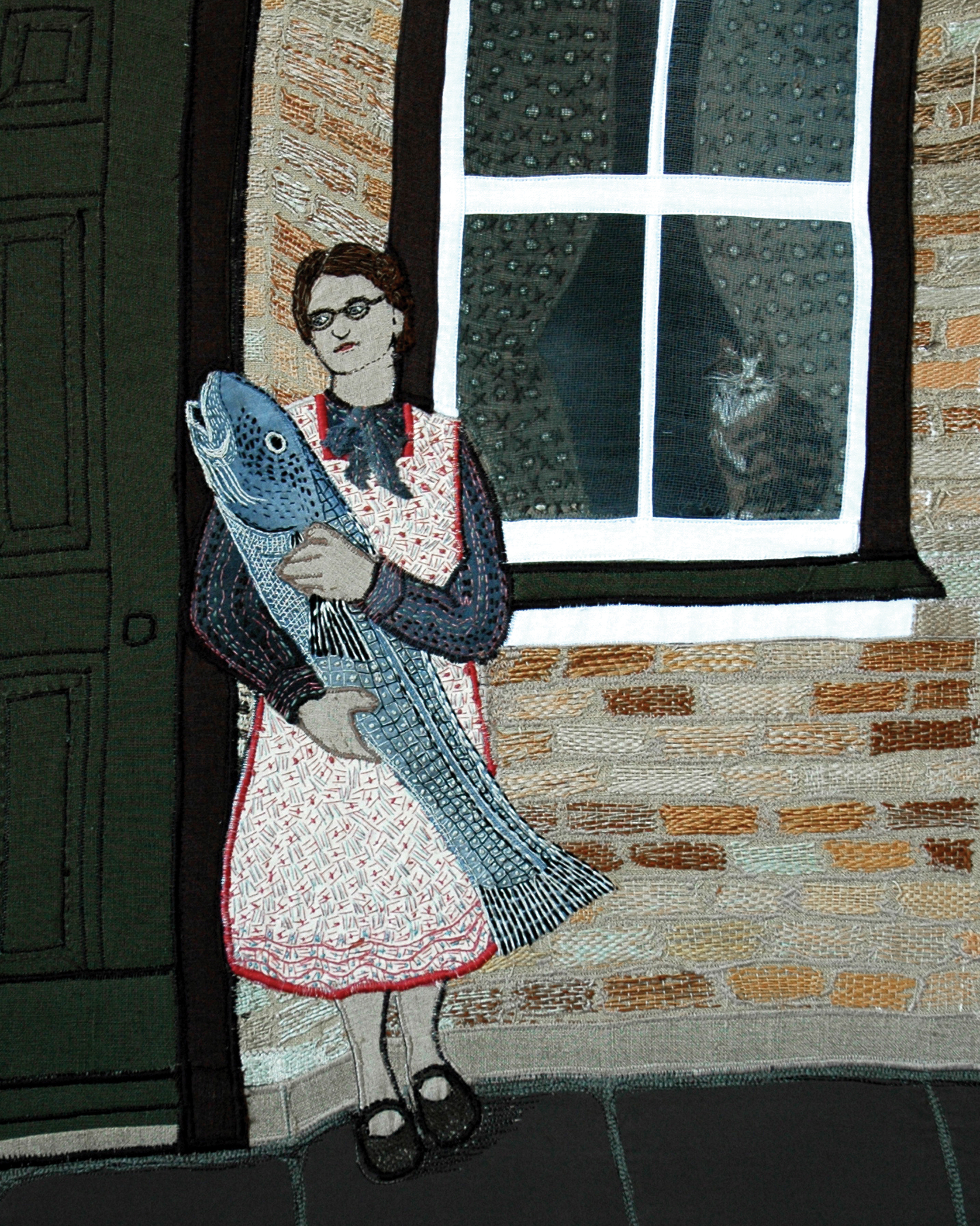
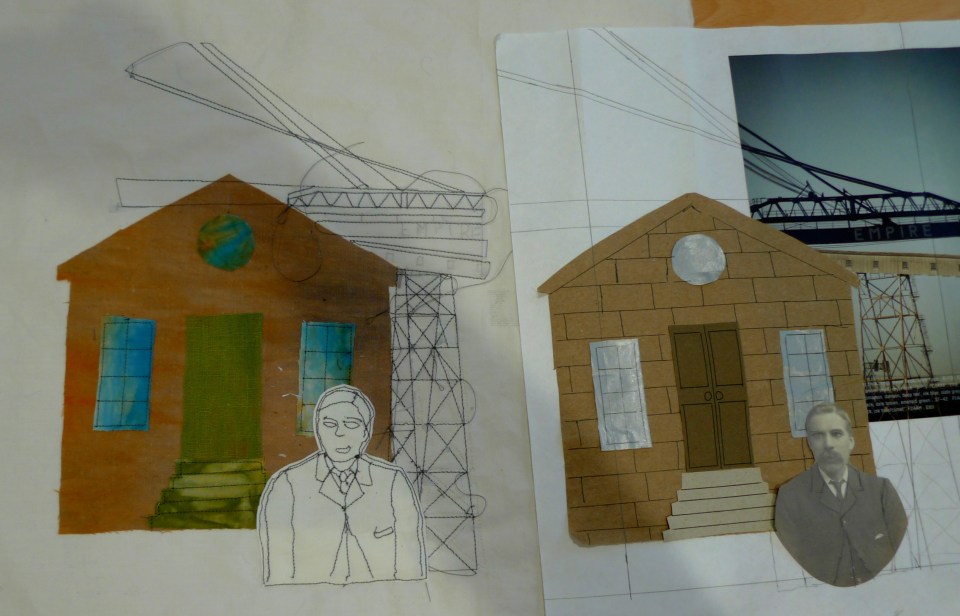
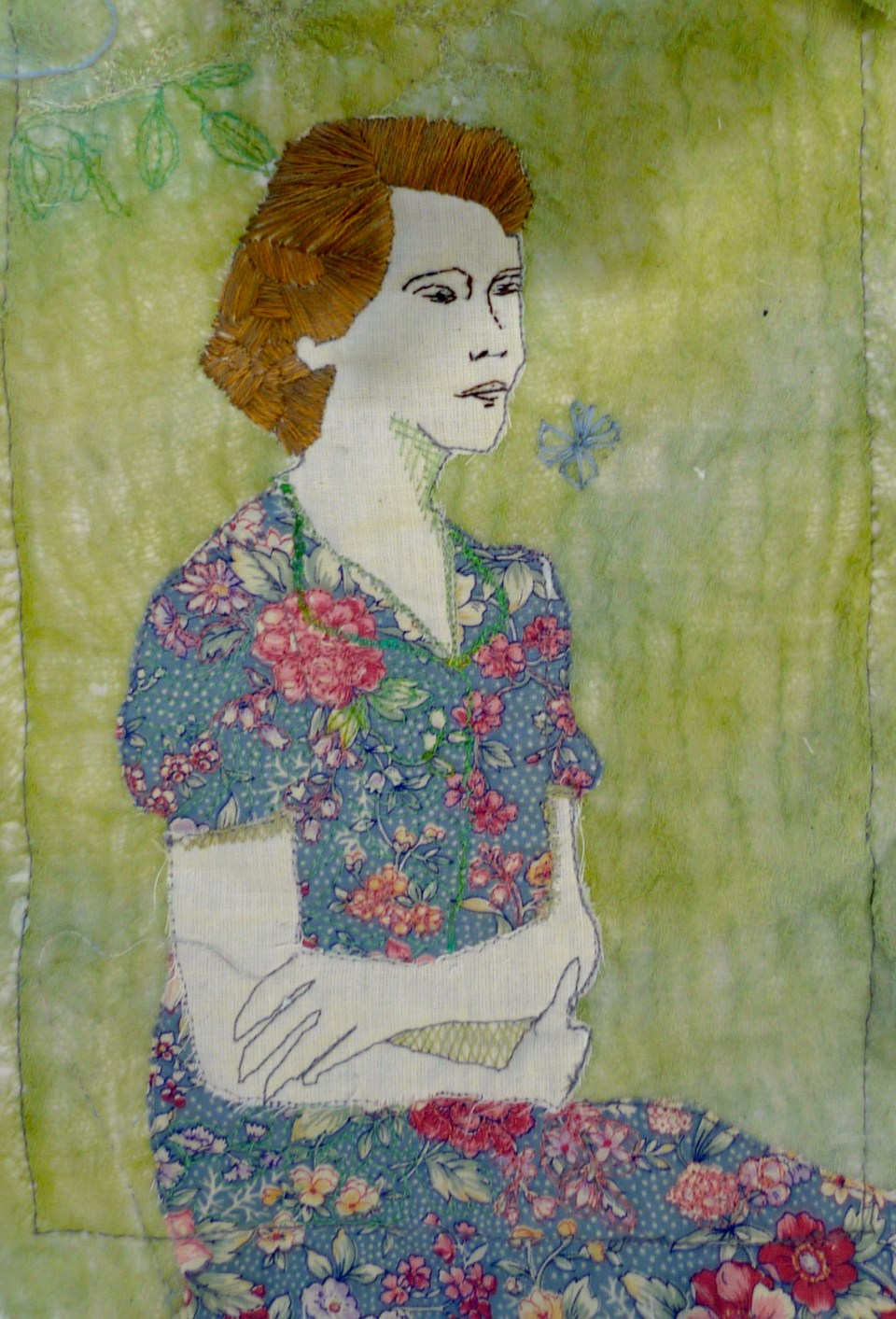
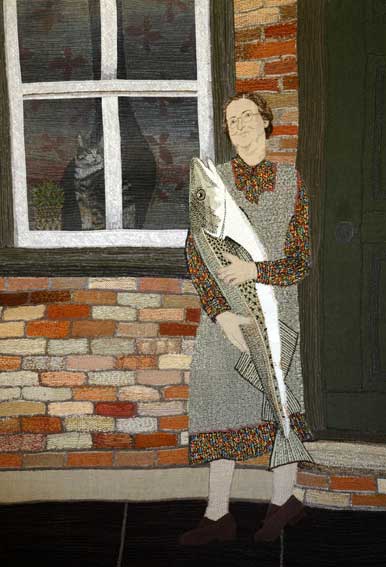
Woman with Plants is an unsentimental portrait of the artist’s mother depicting her as an archetypal pioneer woman with a rather lush farmscape in the background . This was Wood’s first serious attempt at a neo-Flemish painting In my version Woman with Fish  instead of Grant Wood’s mother I have depicted my maternal grandmother Annie Jane Smith and have replaced the Iowa landscape with a Lincolnshire landscape (Tetney Lock to be more specific) The plants have become fish and Wood’s signature windmill is now the Grimsby Dock Tower.

woman with fish

woman with fish 2007

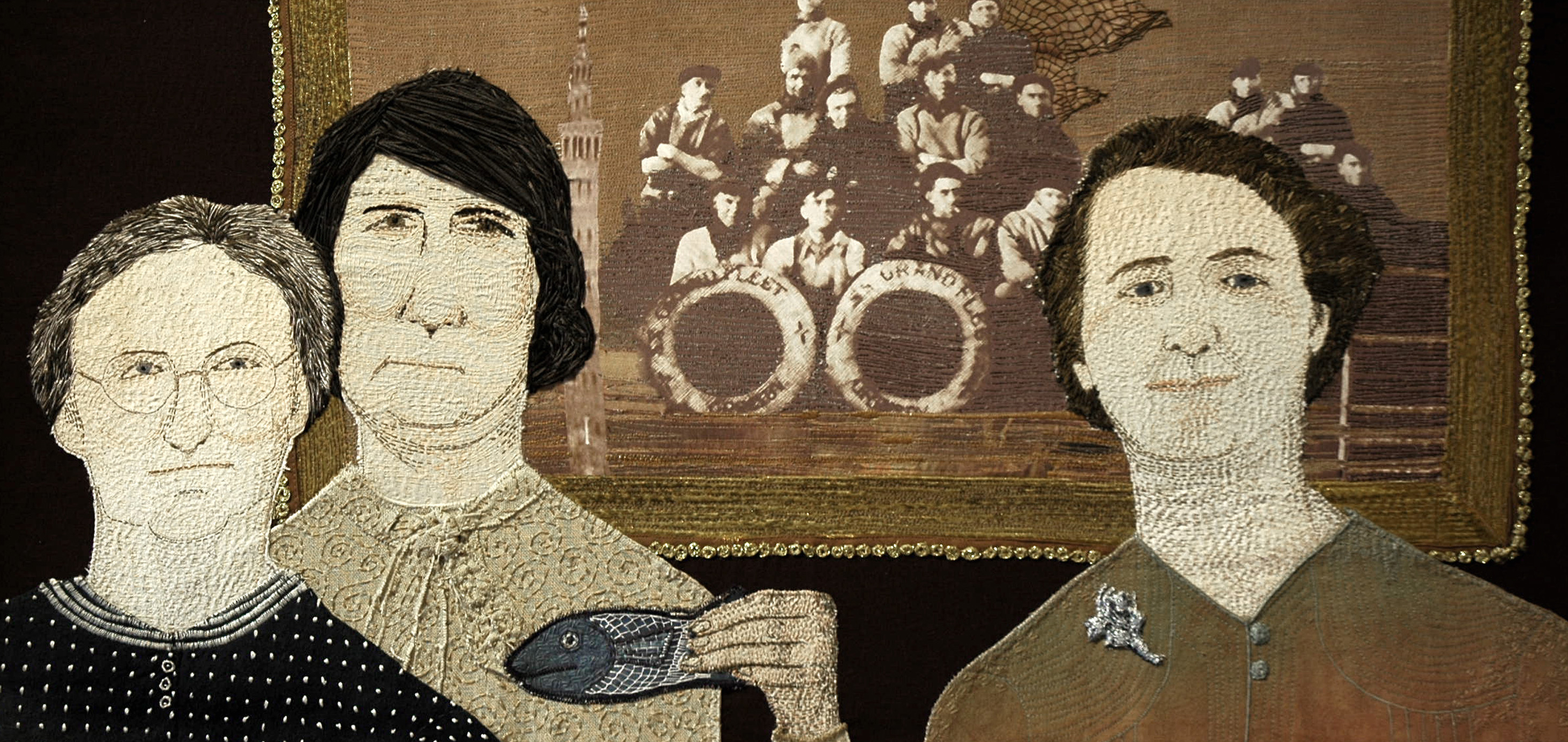
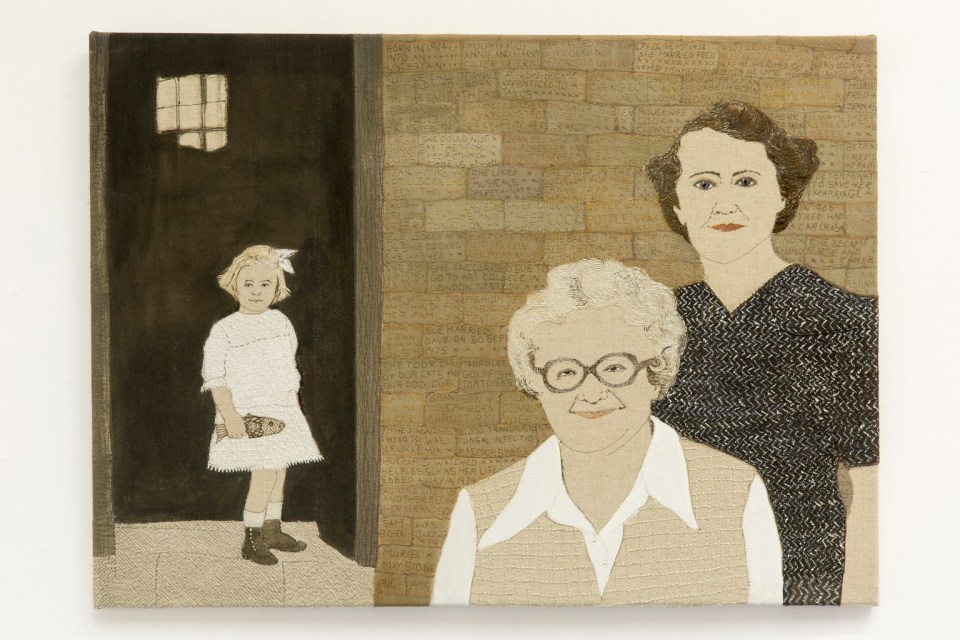
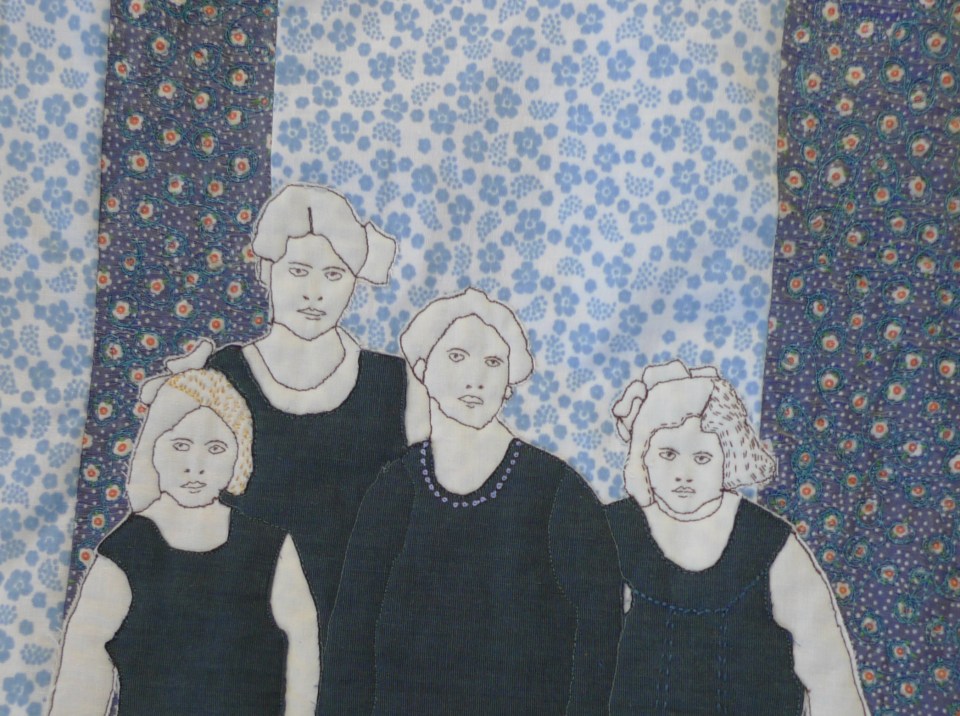
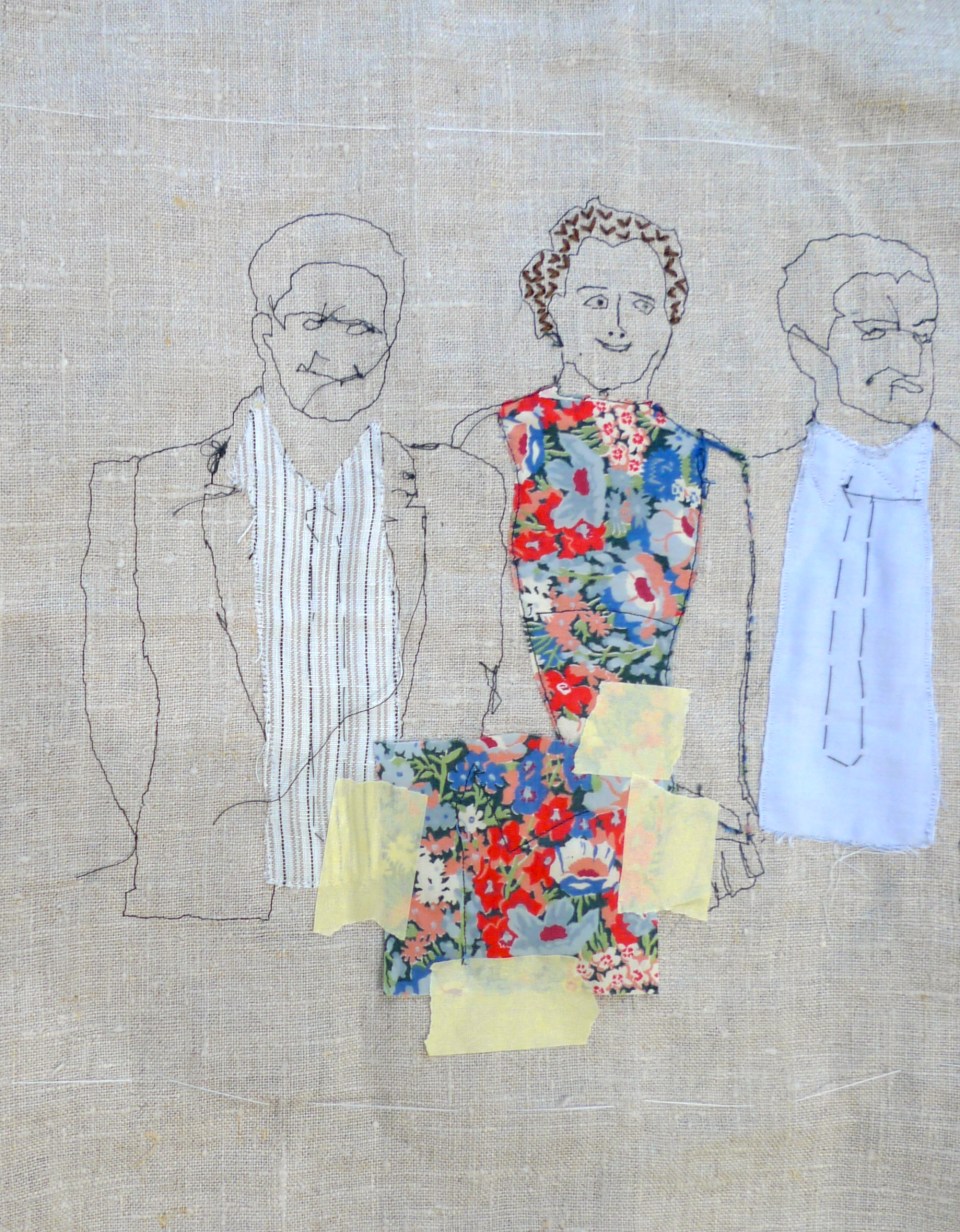
Daughters of Revolution  Depicting them as shortsighted spinsters whom he called ‘ those Tory Gals ‘this satyrical painting was executed as a revenge on the local members of the DAR after they publicly criticised a piece of his work for being assembled abroad. In my version Daughters of Grim (above right) I have replaced the stern faced DAR women with my maternal grandmother Annie Jane Smith and my paternal grandmother Alice Ann Stone on the left of the picture and my mother Muriel May Stone  on the right. The painting in the background depicts the brave fishermen of the Grand Fleet Grimsby c 1920. and I have replaced the teacup with a small fish .

Daughters of Grim 2008

Daughters of Grim 2008

Art of the Stitch 2008/9
March 2008 – November 2009 – I had 2 pieces selected from 944 entries of which 56 were chosen to be shown . Biennial Exhibition presented by the Embroiderer’s Guild in association with Coat’s Crafts.
International Tour :Birmingham Museum and Art Gallery,UK, Deutsches Textilmuseum, Krefeld, Germany, Museum of Applied Arts, Budapest, Hungary, Knitting & Stitching shows, London & Harrogate 2009
East End Chair 2007 (left) Woman with a Fish 2007 (right)

East End Chair

East End Chair

Woman with a Fish '07

Woman with a Fish ’07

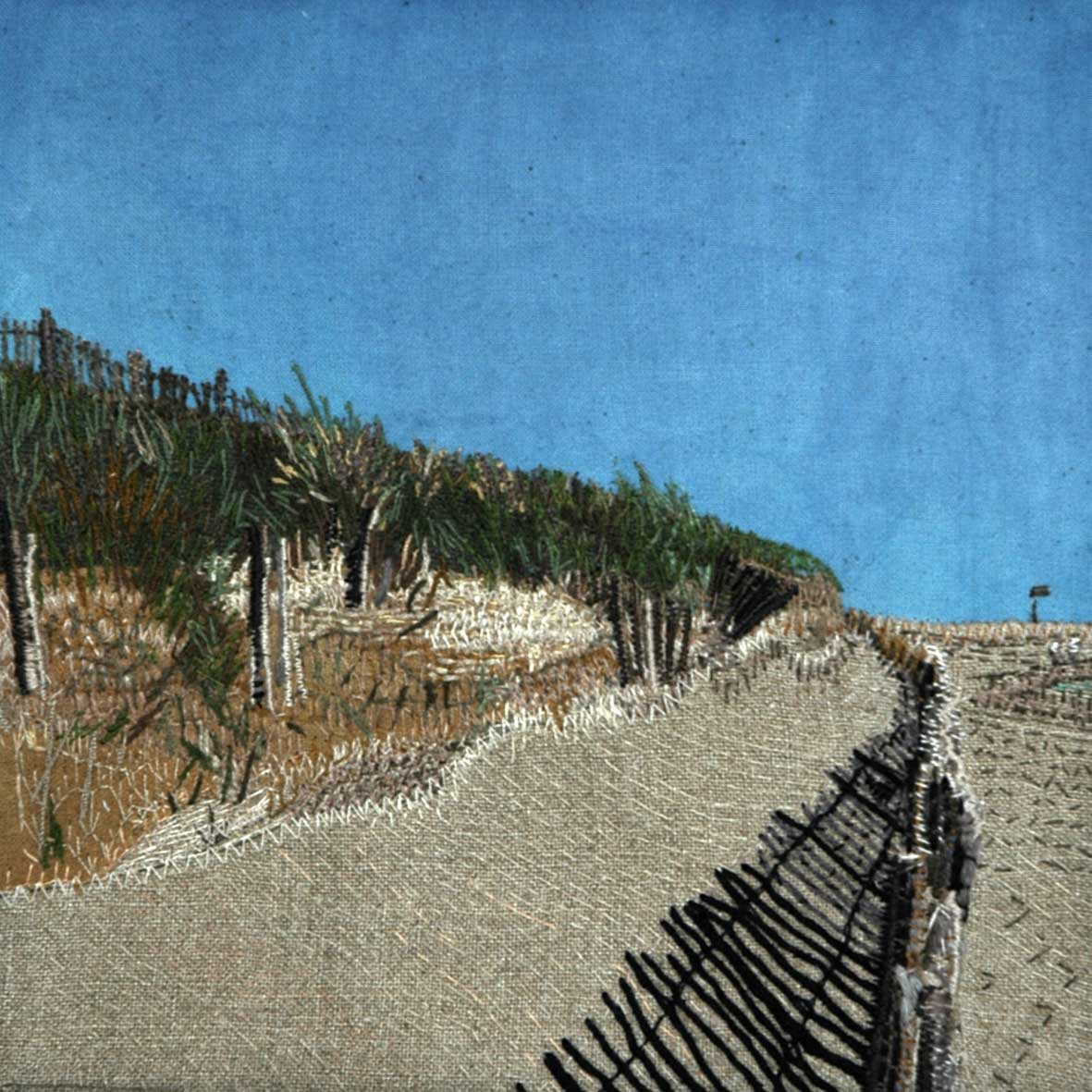
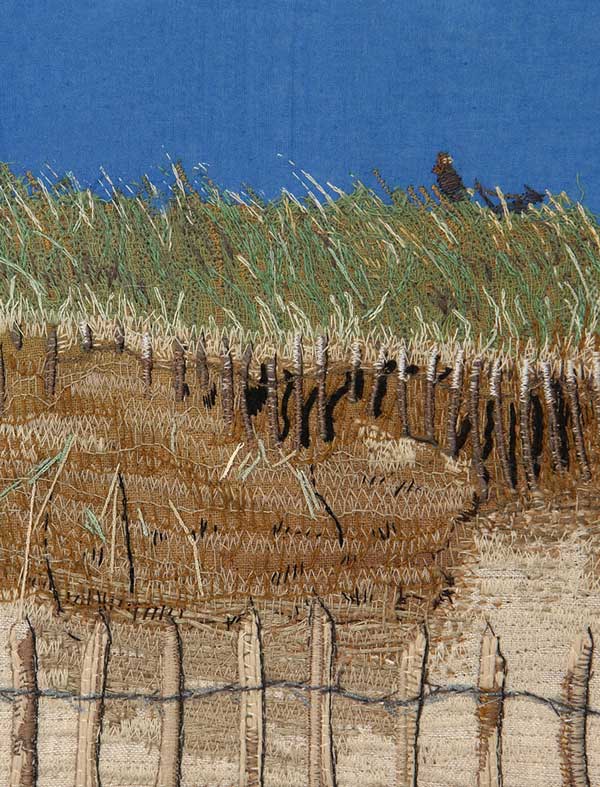
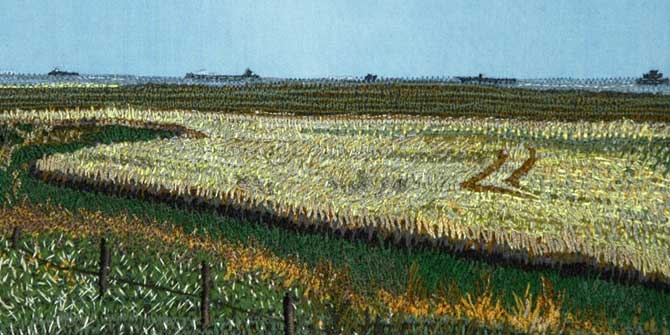
A selection of beach and landscapes 2007/8

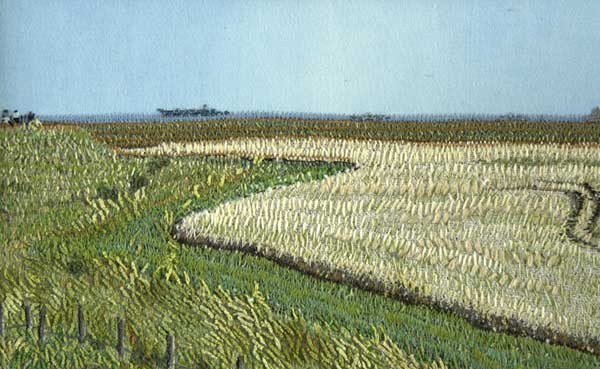
tetney-vista

Tetney Vista

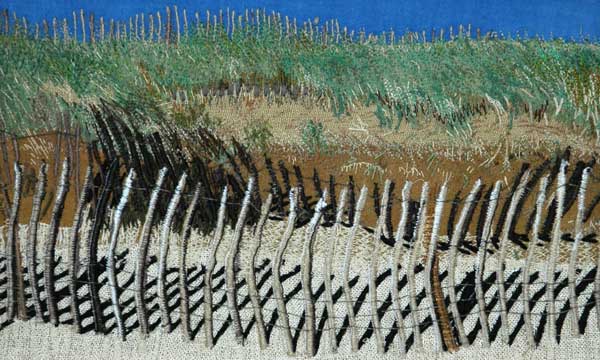
sand-dunes-humberston

Humberstone Fences

humberston

Humberstone

humberston-foreshore

Humberstone Foreshore

Tetney Lock

Tetney Lock

Humberstone Beach

Humberston Beach

Retrospective • an Archive of Work 2017

Retrospective • an Archive of work 2016

Retrospective • An Archive of work from 2015

Retrospective • An Archive of work from 2013/14

Retrospective • An Archive of work from 2011/12

Retrospective • An Archive of work from 2009/10

Retrospective • An Archive of work from 2007/8

Retrospective • An Archive of work from 2003 to 2006


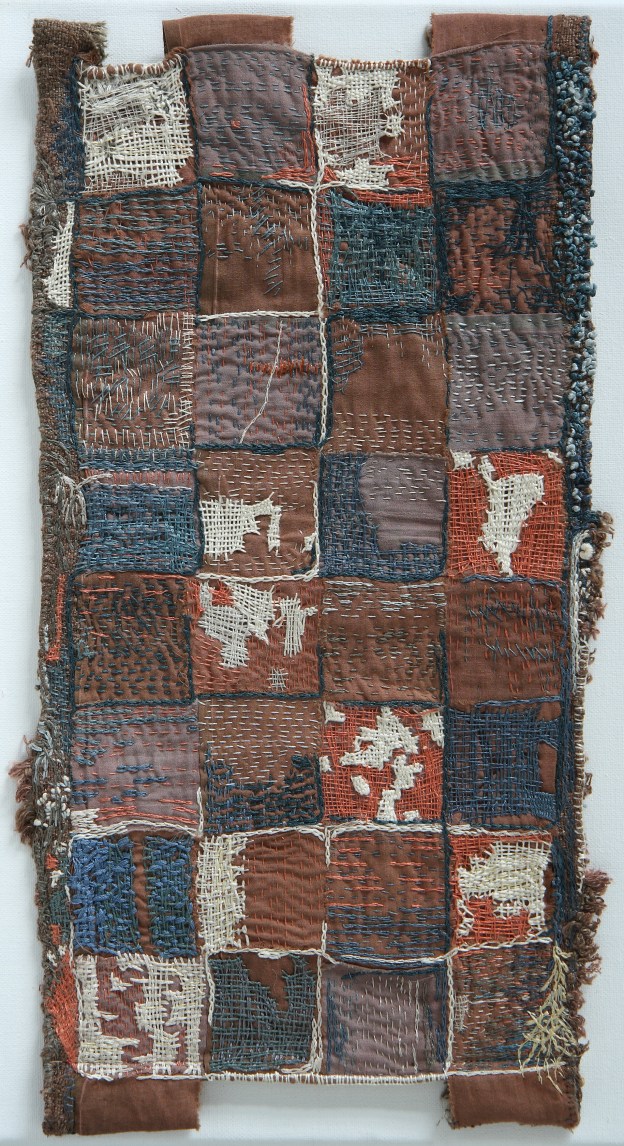
Tapetum Brevis 2005

Retrospective – Where it all began • Archive •2003/6

This is the first of a series of posts documenting the work I have made since 2002 when I started working as an artist after 28 year career designing womenswear.

Thornton Abbey Series
In 2002 I began working from a series of photographs of Thornton Abbey given to me by my friend Alf Ludlam who had visited the Abbey with his daughter, Lucy ,also a stitcher. She thought the photos would inspire me to start stitching again and they did. I later went to the Abbey and took my own photographs . The series of work I have produced is inspired by the beautiful tiles that have been preserved in the Abbey ruins and the gargoyles in and around the gatehouse.
The enormous fortified gatehouse of Thornton Abbey is among the finest surviving in Britain. It is an early example of brick building and was one of the wealthiest English Augustinian monasteries. Built in the years following the Peasants’ Revolt of 1381 it provided  lodgings for the abbot and his guests. Within its grounds stand the remains of the monastic buildings.tapetum magnus

shapeimage_13 shapeimage_2 shapeimage_12 shapeimage_1

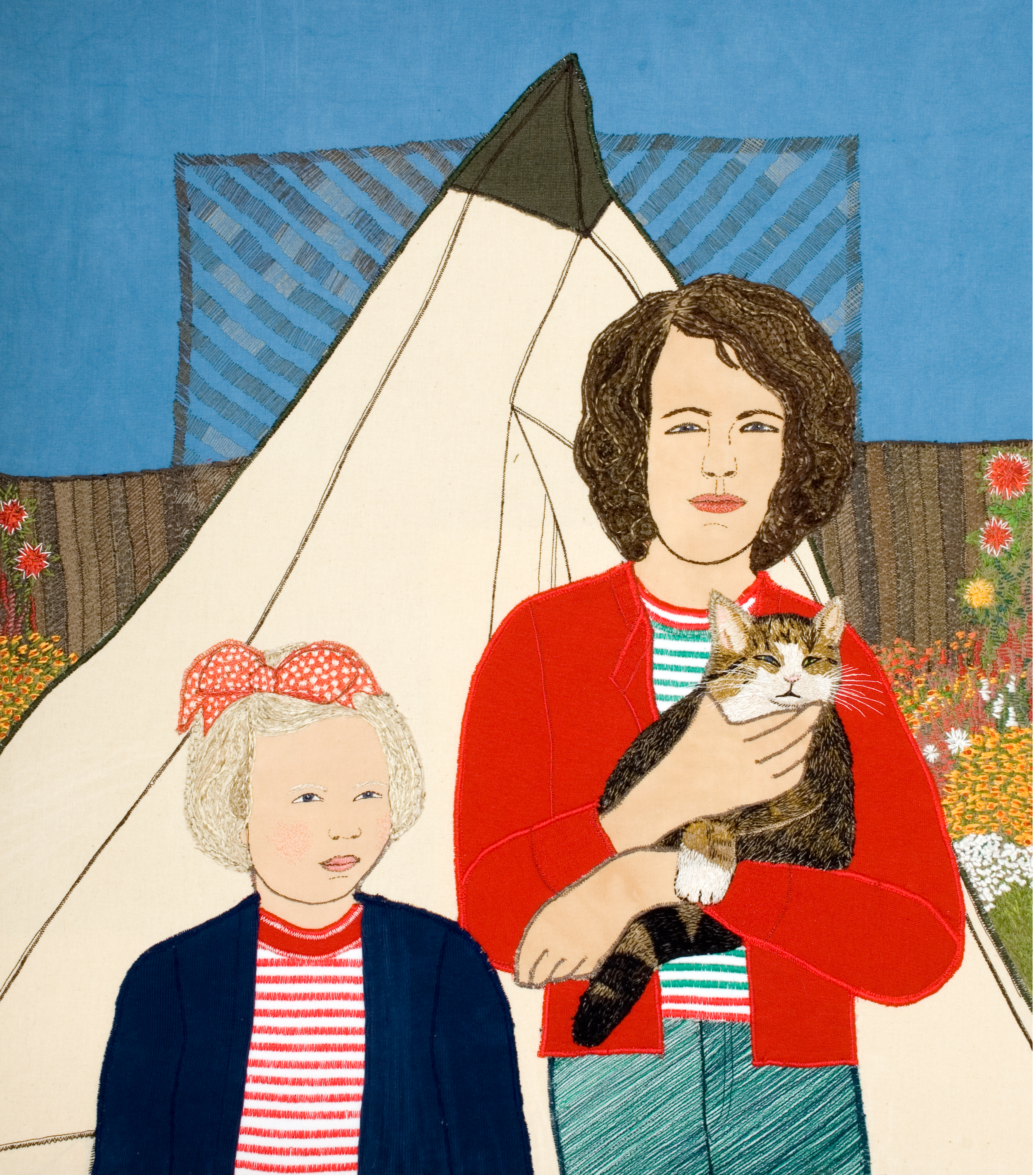
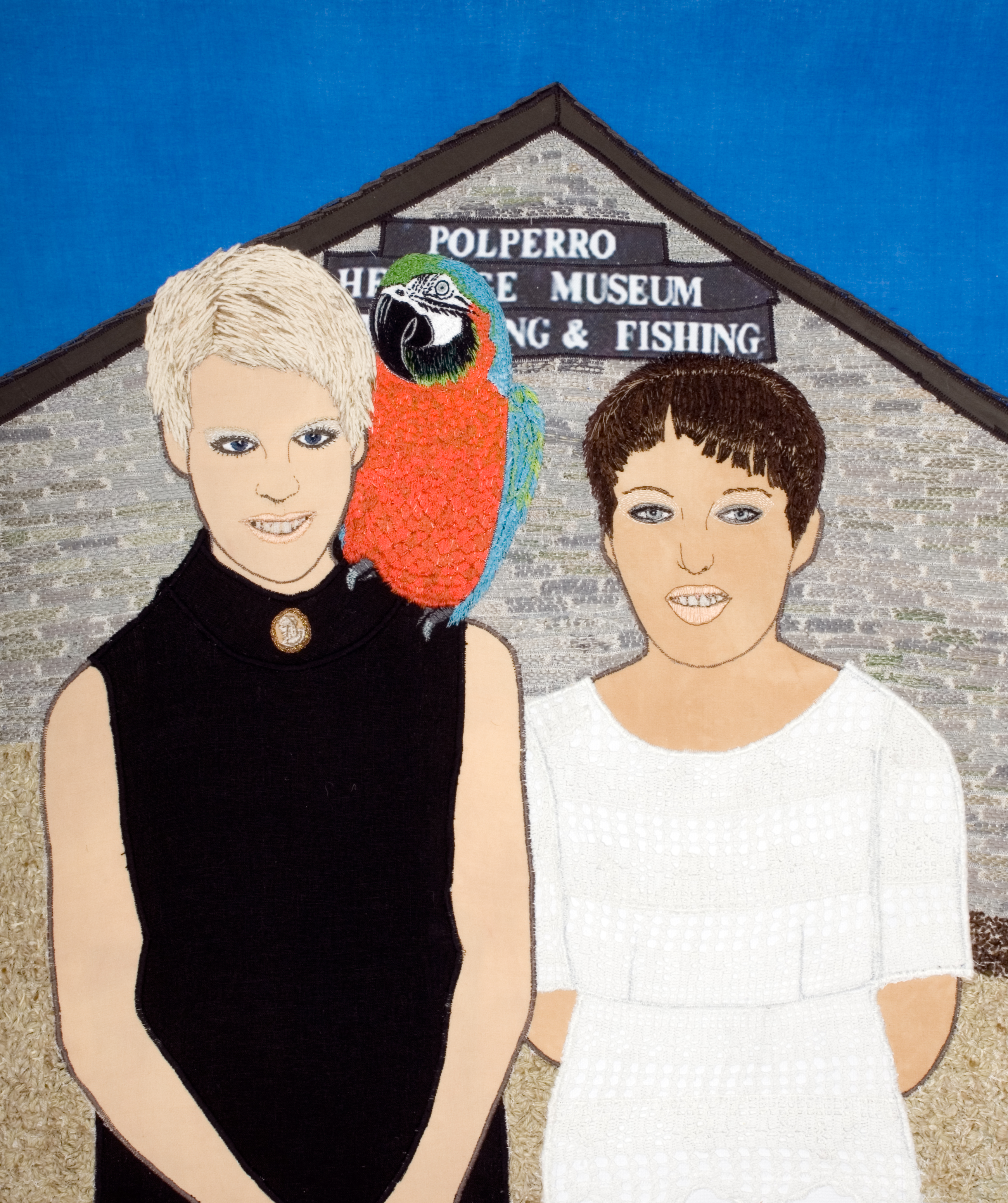
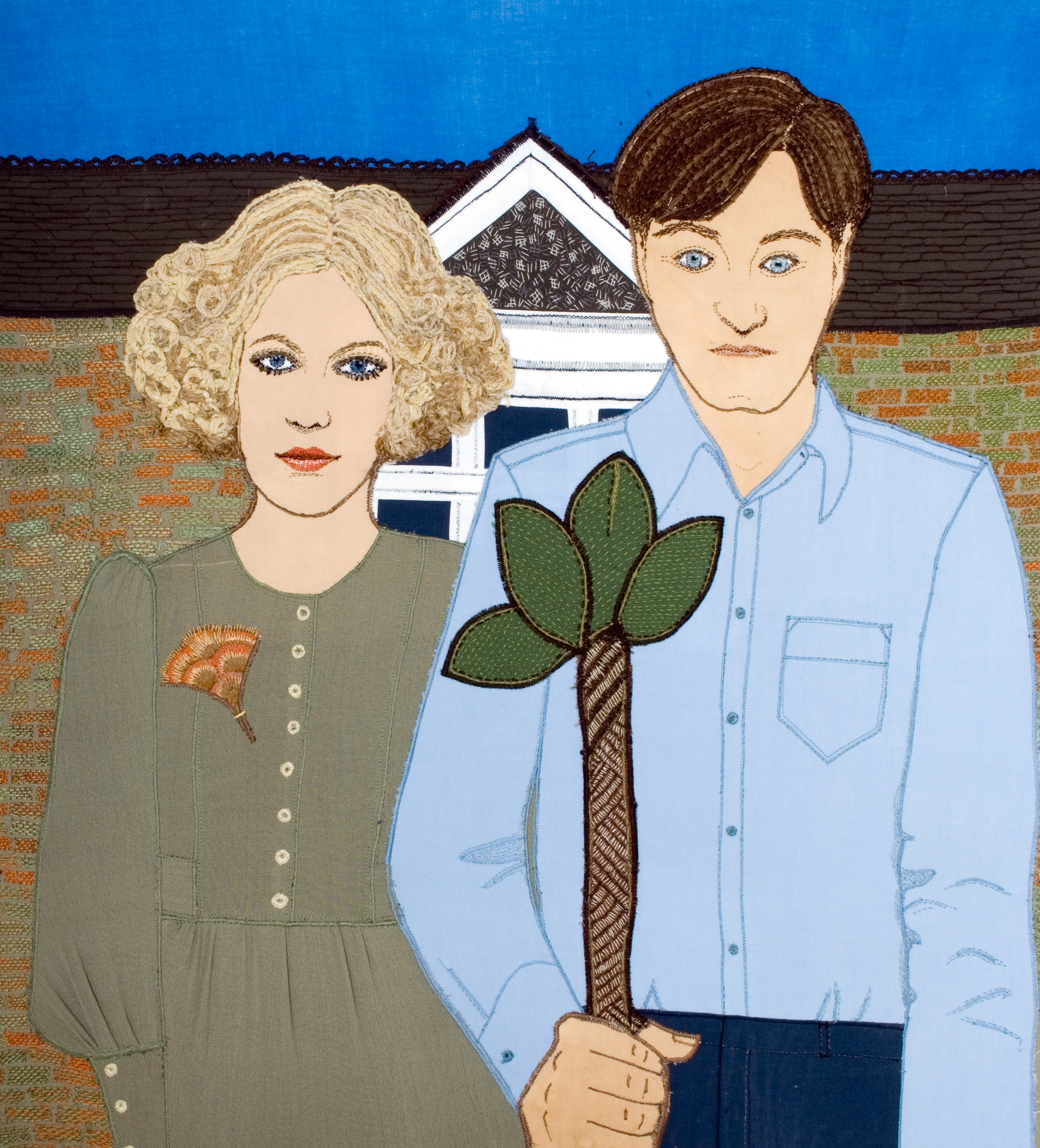
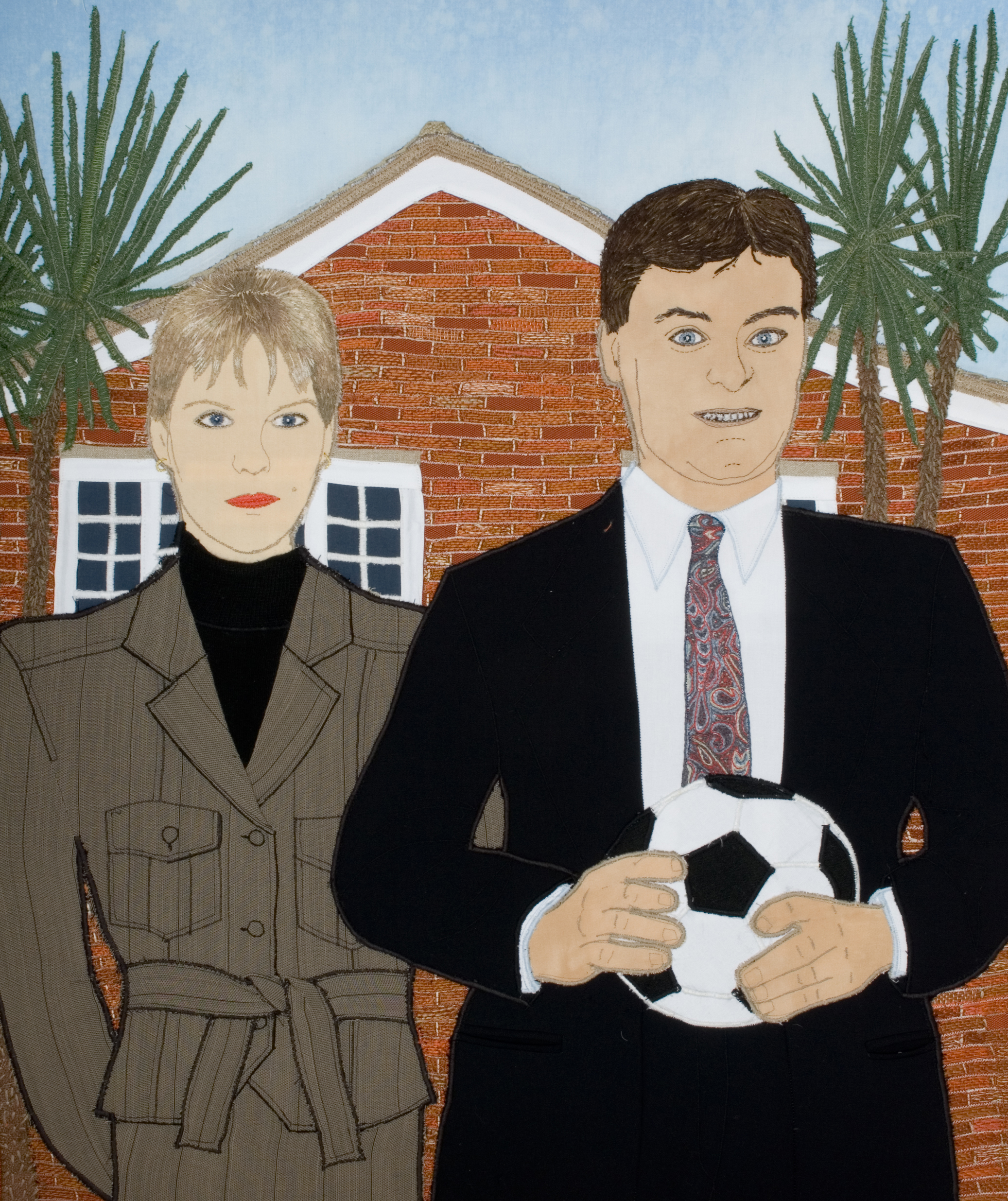
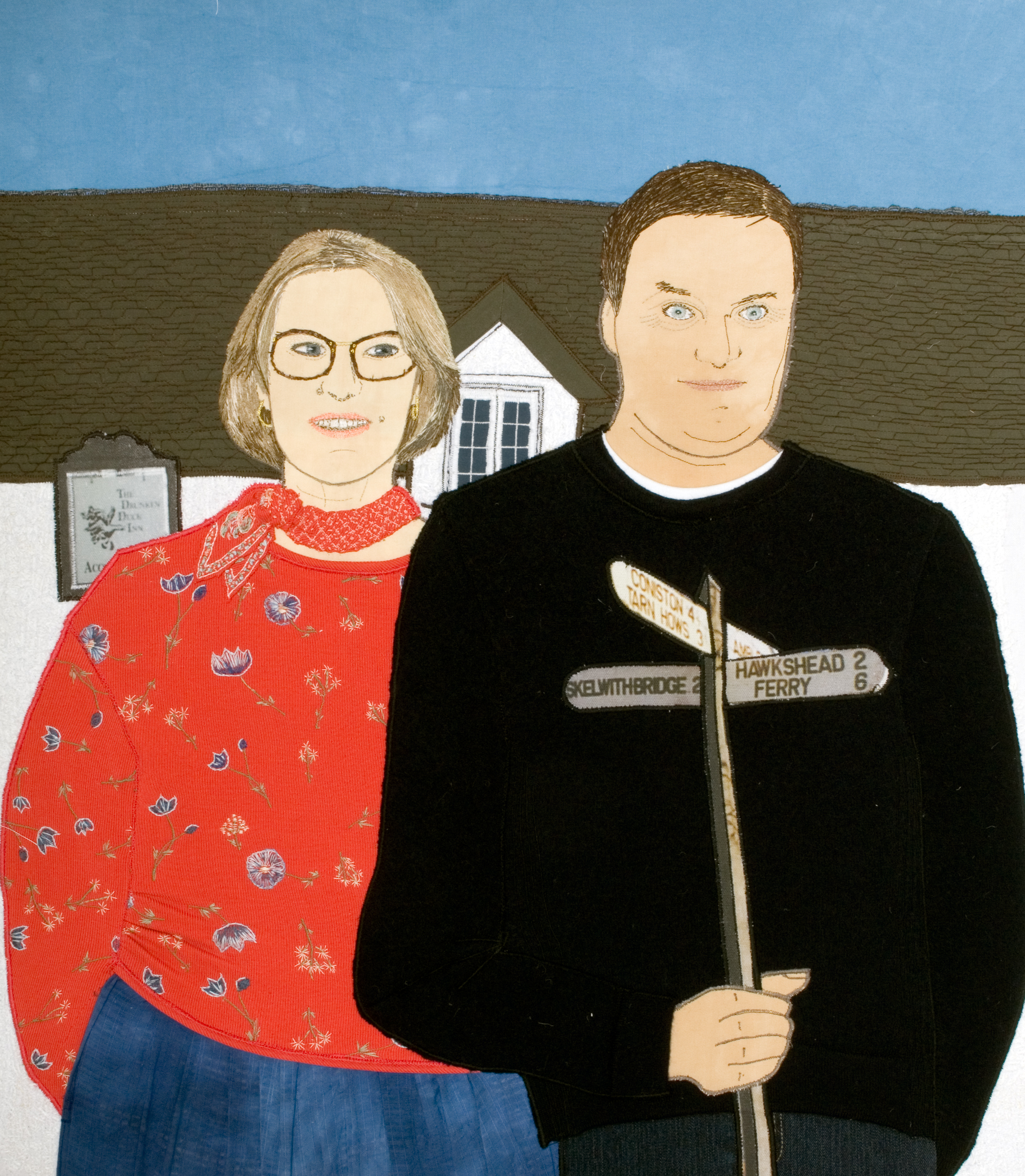
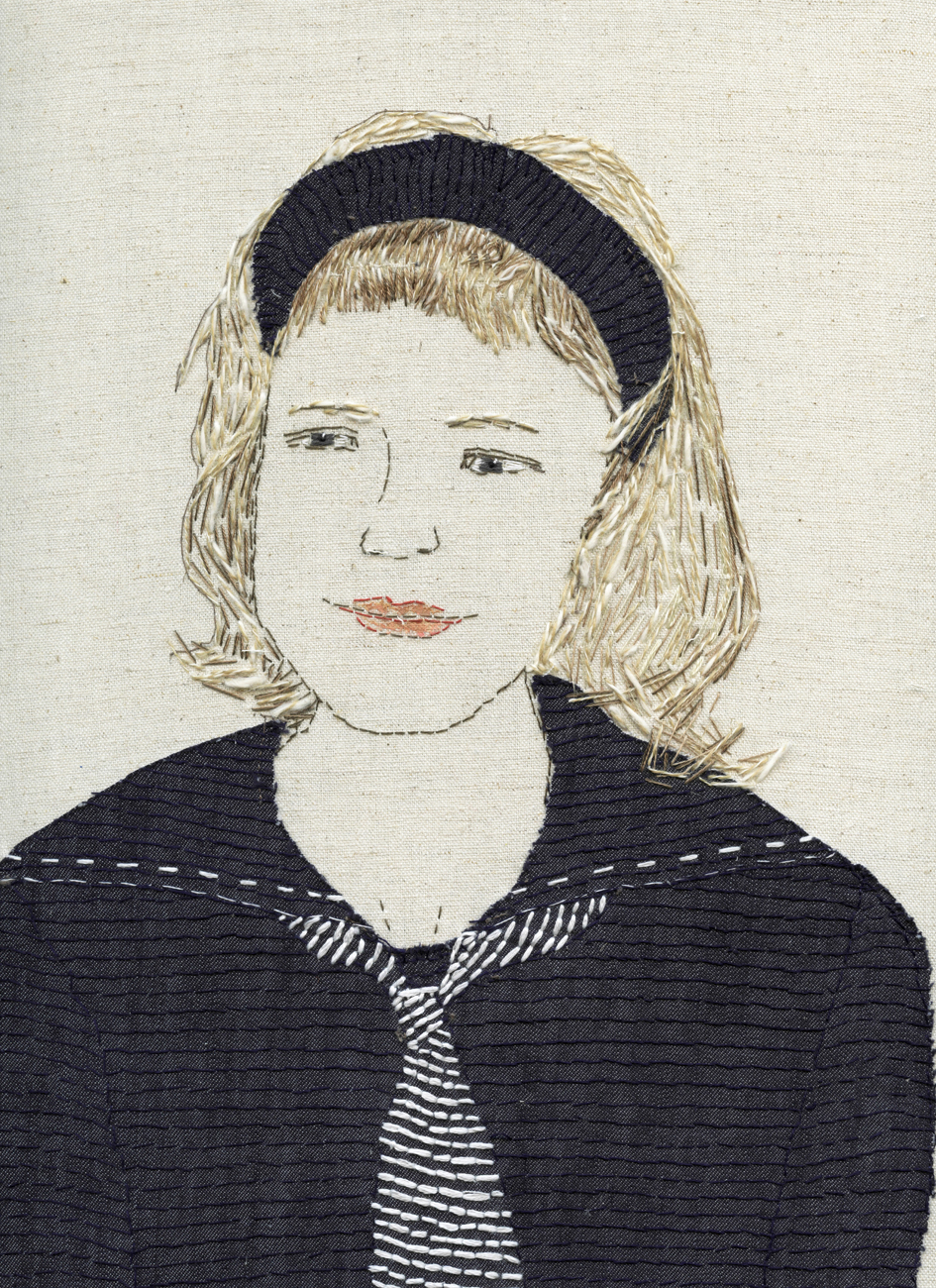
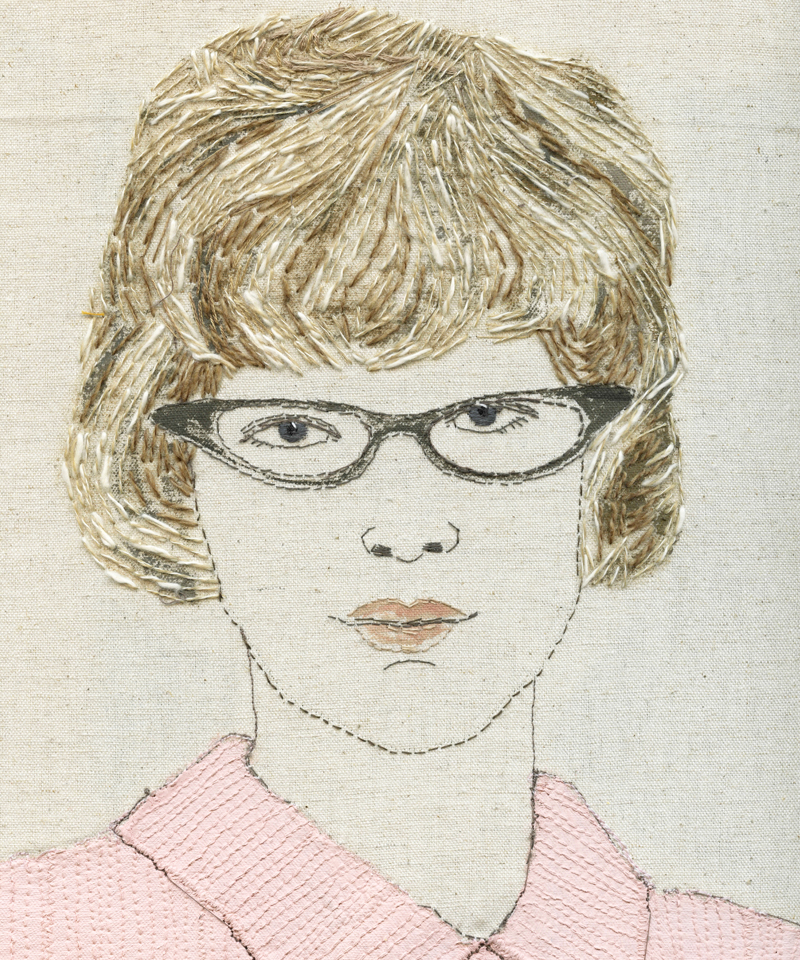
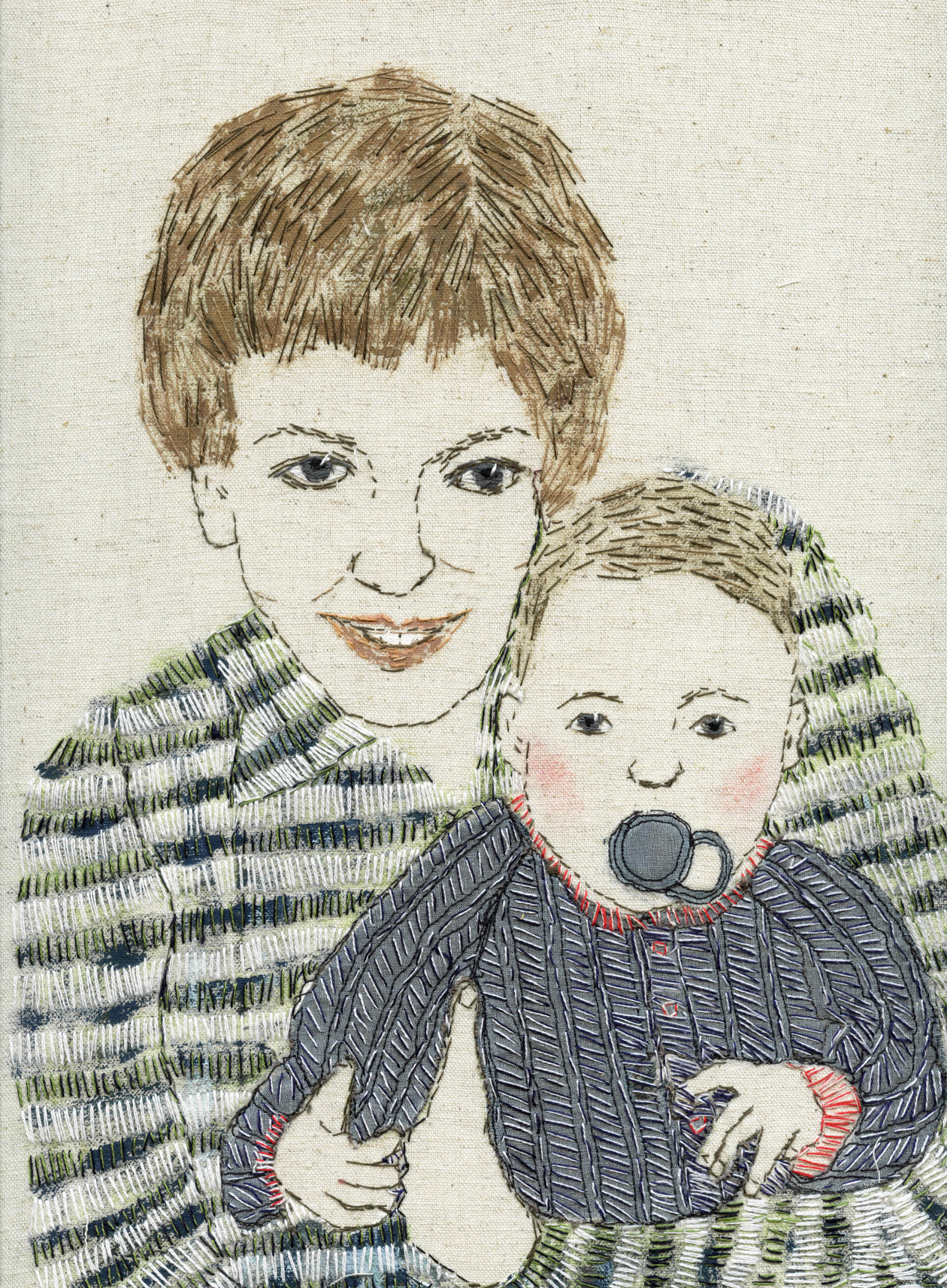
Self Portraits 2006  I made five self-portraits, one for each decade of my life at that time. The composition is based on Grant Wood’s American Gothic painting. I love the simplicity of the two figures in front of the distinctive Gothic window of the cottage. The  painting shows a farmer standing beside his spinster daughter. The models were the artist’s dentist and sister.

The Wigwam portrays me with my sister, Jean during the 1950s. We are in our garden with our one-eyed cat, Tiddles outside our wigwam.

The Wigwam

The Wigwam

The Holiday features me with best friend Olwen on holiday in Polperro,  Cornwall in 1967.

the holiday

The Holiday

The Wedding shows me with my husband, David on our wedding day in 1975. Unfortunately no photographs exist of the event so it is done from my own memory of the day.

The Wedding

The Wedding

The Football Match is a recollection of a time in the 1980s when we had several shops and we sponsored the ball at a Grimsby Town football match.

The Football Match

The Football Match

The Weekend is a memory of all the happy weekends we spent in the Lake District in the 1990s.

The Weekend

The Weekend

Beach and Boatyard 2006 a selection of textiles inspired by beaches,boatyards and engine sheds.

shapeimage_9                                 shapeimage_10

Retrospective • an Archive of Work 2017

Retrospective • an Archive of work 2016

Retrospective • An Archive of work from 2015

Retrospective • An Archive of work from 2013/14

Retrospective • An Archive of work from 2011/12

Retrospective • An Archive of work from 2009/10

Retrospective • An Archive of work from 2007/8

Retrospective • An Archive of work from 2003 to 2006
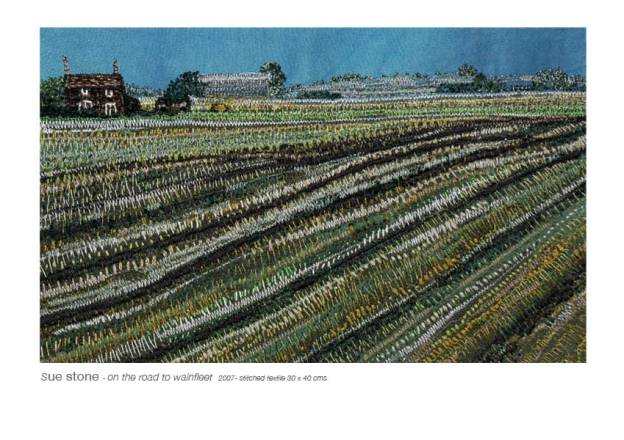
 

Image of The Unknown Statistic

From Conception to Creation

Read about the making of my piece ‘The Unknown Statistic’ at Textileartist.org

detail of the Unknown Statistic

Detail of the Unknown Statistic

63 - 16

63 – A Self-Portrait – Work in Progress

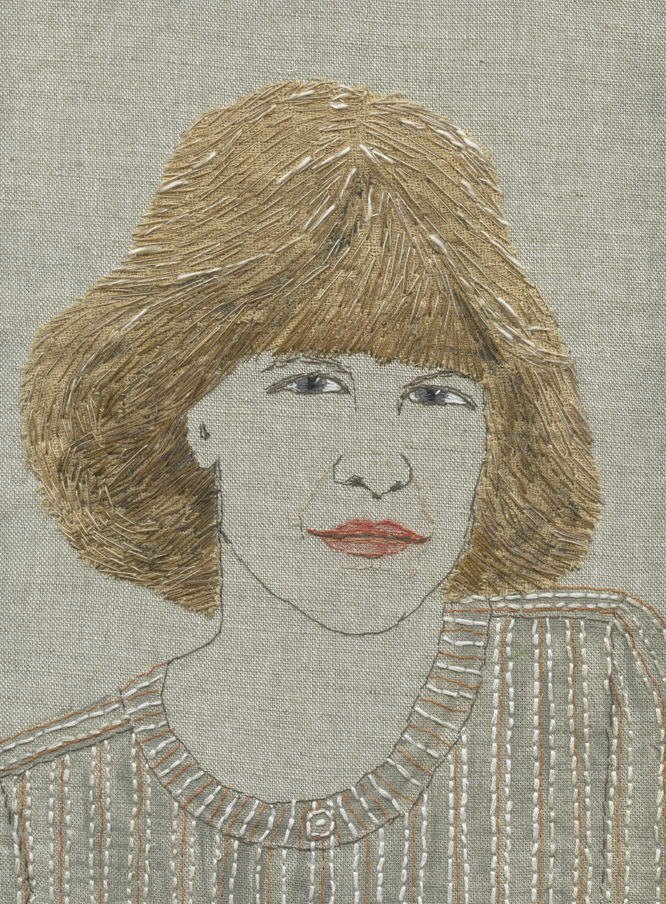
63 is a self-portrait which, when complete, will be made up of 63 images, one for each year of my life so far. So why put myself through all this work, and, to be perfectly honest, the angst of self examination, a replaying of all the ups and downs of life?
Well, there were several reasons, but the main one was that I was asked by Alf Ludlam, the curator of Shifting Images an exhibition of self-portraits at the Muriel Barker Gallery at Grimsby’s Fishing Heritage Centre, to produce something other than a straight forward self-portrait and this was the idea I came up with. I also thought it would benefit me personally because I would be working to a deadline which, in itself, would force me to look at the way I work and help me find a simplification of my mark-making.

63 - 2

63 work in progress 2

63 - 4

63 work in progress – 4

Although I work in mixed media I consider myself primarily an embroiderer, more specifically a hand embroiderer and because I find hand stitching a therapeutic process, I have a tendency to overstitch. I’m hoping that, in this piece, the viewer will find that my stitching have been given more breathing space and as a result more status. My stitch vocabulary is considered and limited. I don’t use many different types of stitches and but I try to get the most out of those stitches by using them in an original way. I was once given some advice by Constance Howard, when I was studying at Goldsmith’s College in London who said that “you don’t need to know a vast array of stitches but you need to know how use the ones you do know well” so that’s what I try to do.

63 - 7

63 work in progress -7

63 - 12

63 a work in progress – 12

I don’t really look at the work of other embroiderers in an inquisitorial way. This is deliberate, an attempt to keep my own work fresh. One of the ways I do this is by mixing different colours and different weights of threads in the needle leaving the eye to mix the colour. You can read about my favourite stitches  here.
I have deliberately tried to be sparing with my stitching of the faces in this piece to produce a more illustrative style. Mood, quality, expression, character can all be changed by the position of each stitch and a lot of drawing and re-drawing, stitching, unpicking and restitching has been done before moving on.

63 -25

63 a work in progress -25

63 -27

63 a work in progress – 27

I am a ‘glass half full’ sort of person but the process of making this piece has, so far, and I am only just over half way there, been an convergence of mixed emotion. The process has, at times, evoked difficult and even desperately unhappy emotions, the reliving of all that teenage angst, hurt, heartbreak, and loss, the business problems and burglaries, but alongside that the uplifting and happy memories of friends and family and an optimism for the future.

Overall it is proving to be a quite cathartic process.

63 - 32

63 a work in progress – 32

63 will be shown as a ‘work in progress’ in Shifting Images from 8 September 2015 to 6 March 2016. – contemporary self portraiture
Working in partnership with Abbey Walk Gallery the Muriel Barker Gallery at the Grimsby Fishing Heritage Centre will host an Exhibition of of self – portraiture by Lincolnshire Artists past and present.

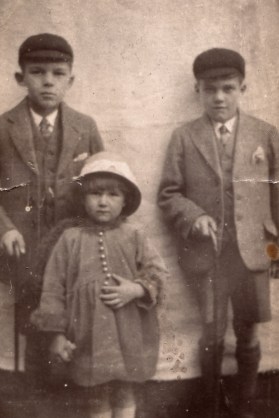
Fred Harry and Madge Stone

Inspiration for Stitch – Part 4 – The Innocent Victims of War

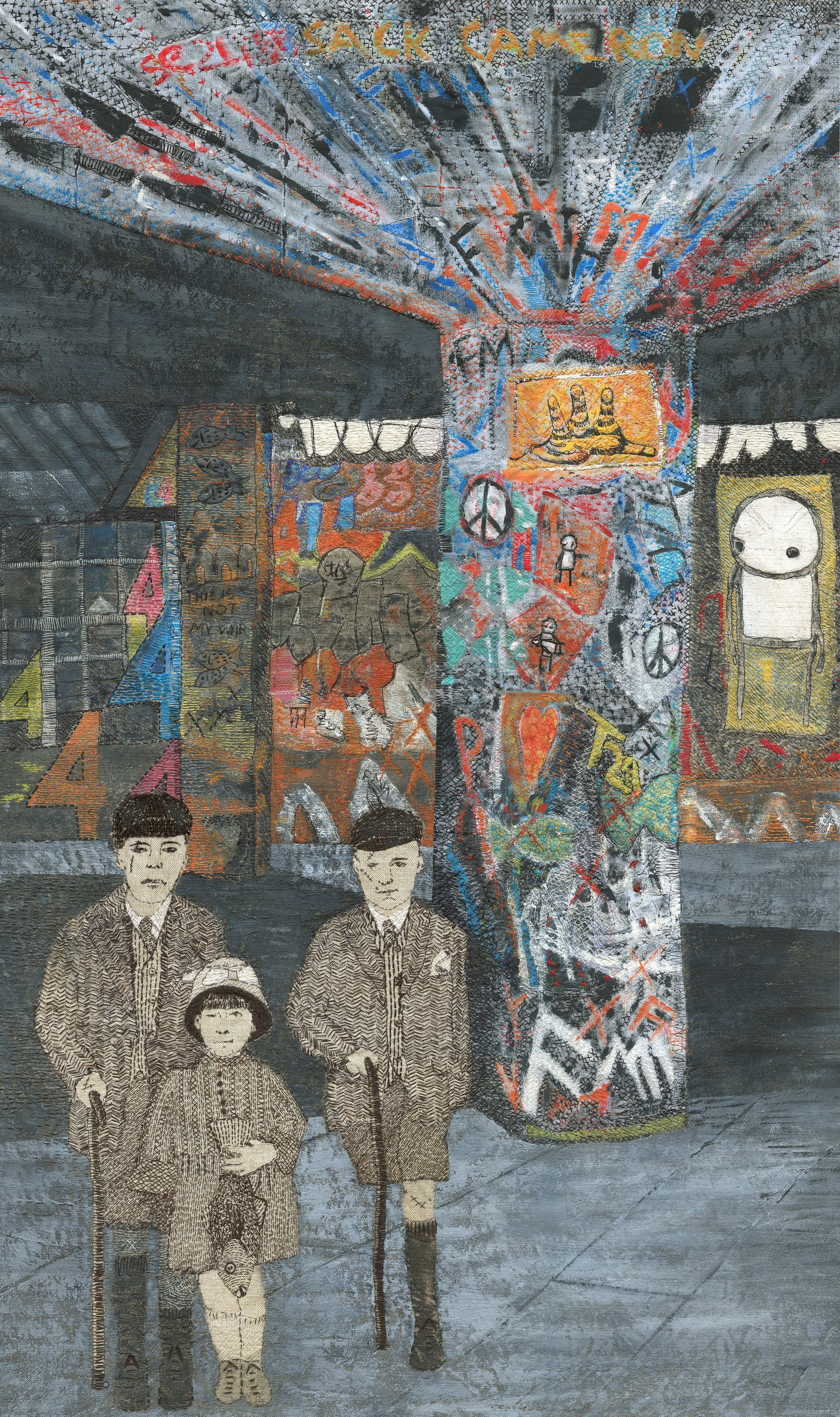
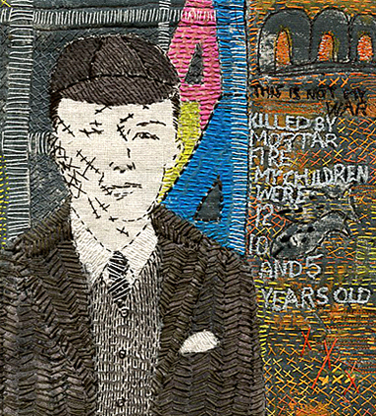
The inspiration for my work can come from anywhere and everywhere and it sometimes takes on a more serious note. I turned on the radio and heard her voice and the words I will never forget “This is not my War”. They were the words spoken by a Syrian mother whose children aged 5,10 and 12 had just been killed by mortar fire in a war she did not understand. The sound of her voice will stay with me forever.

Some Things Never Change commemorates those children and the many others like them that have lost their lives, or have been mentally or physically scarred by war. The lives of those who have survived war and atrocity are changed for all time.
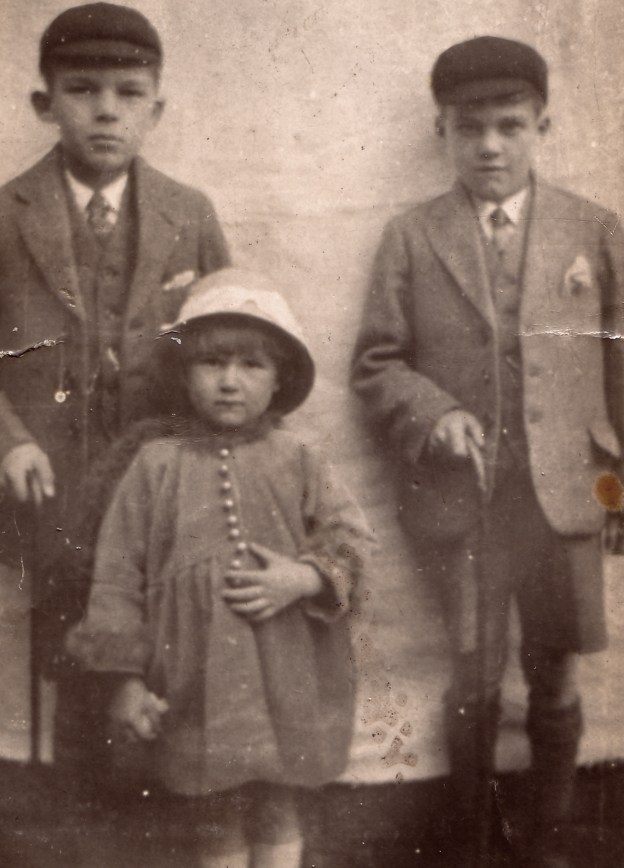
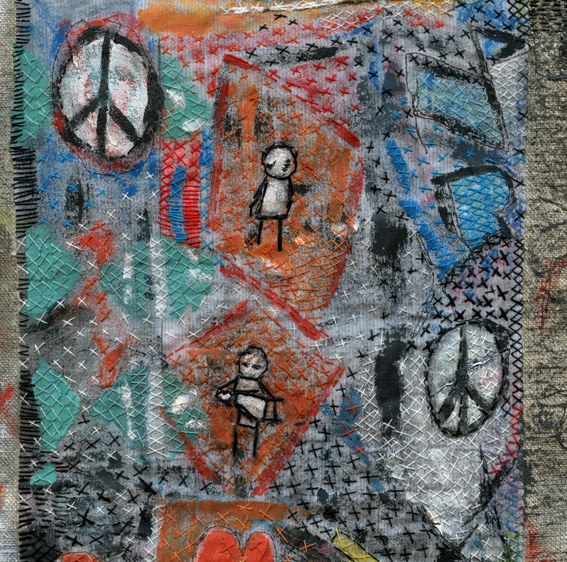
My Dad and his siblings Harry and Madge were children of the First World War, born just before and during so called ‘war to end war’. I have used their images to represent the universal child. The concrete pillar in the background is inspired by the concrete architecture of the skate park on the South Bank of the Thames and the graffiti of street artist Stik and is covered with cross stitches representing the kisses those Syrian children will never receive.

image of 'some things never change'

Some Things Never Change 2012

grafitti south bank 1
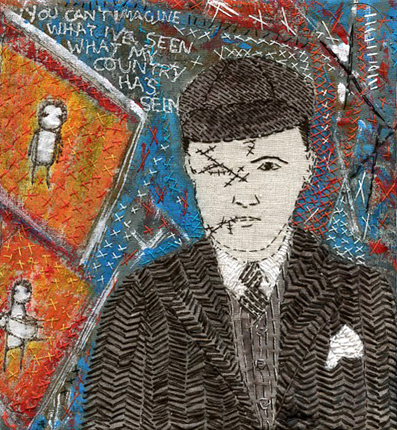
I listen to the Radio and hear his Voice again recalls something I heard on Radio 4. A 10 year old boy was talking to the reporter “You can’t imagine what I’ve seen, what my country has seen”. The Universal Child uses an image of my Dad to represent children affected by war worldwide.

image of the universal child

The Universal Child

image of I Listen to the Radio and hear his Voice

I Listen to the Radio and Hear his Voice.

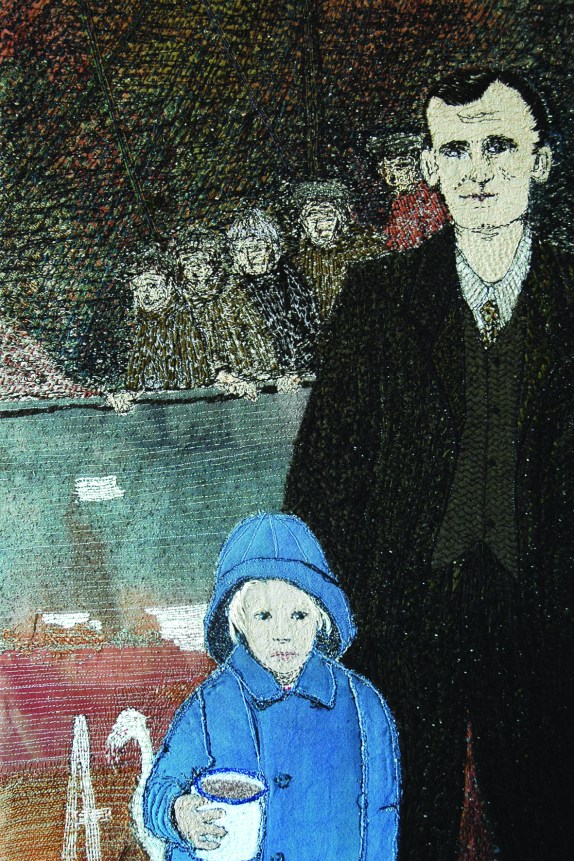
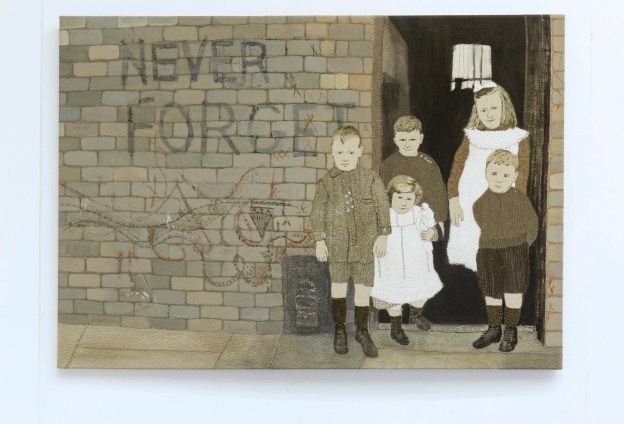
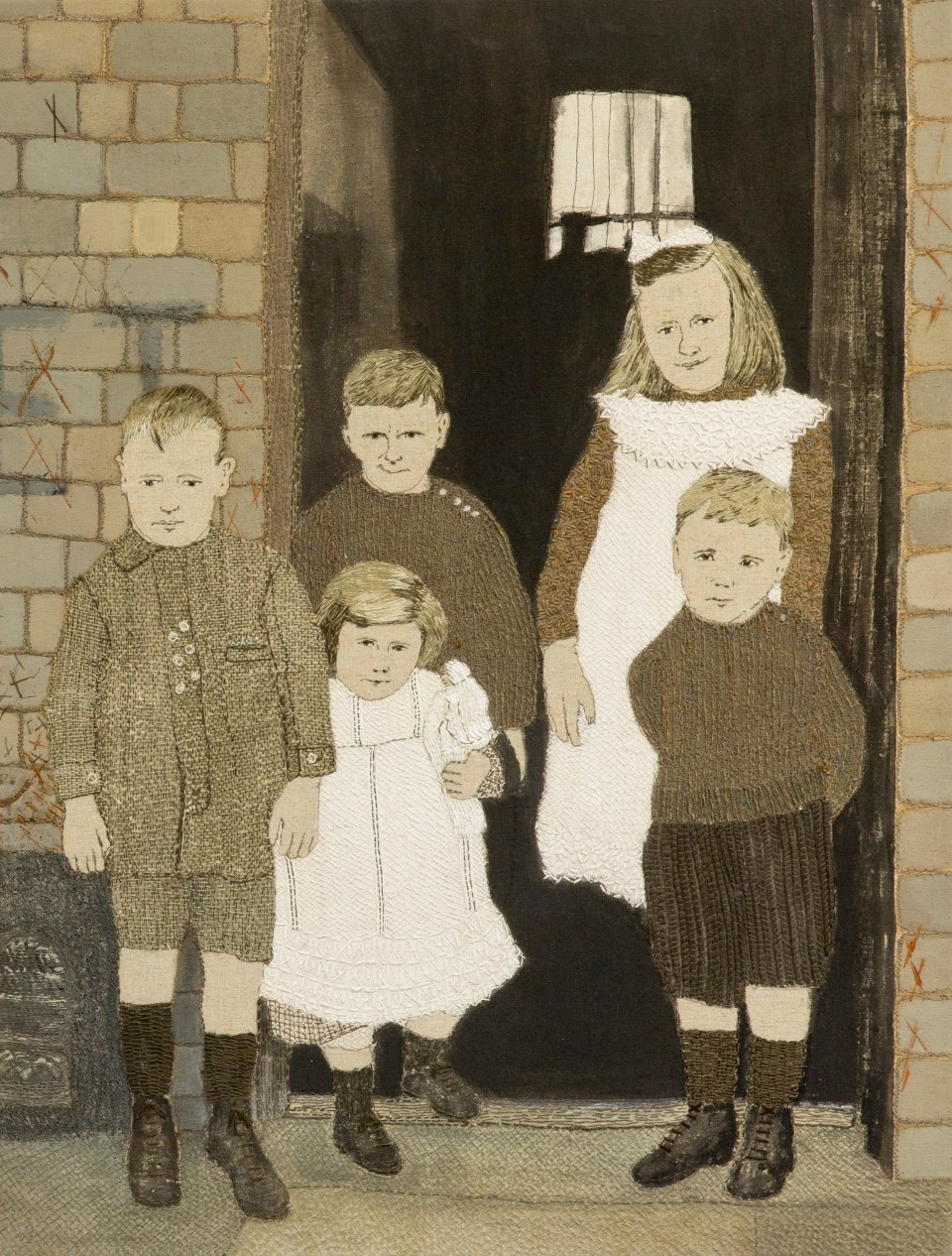
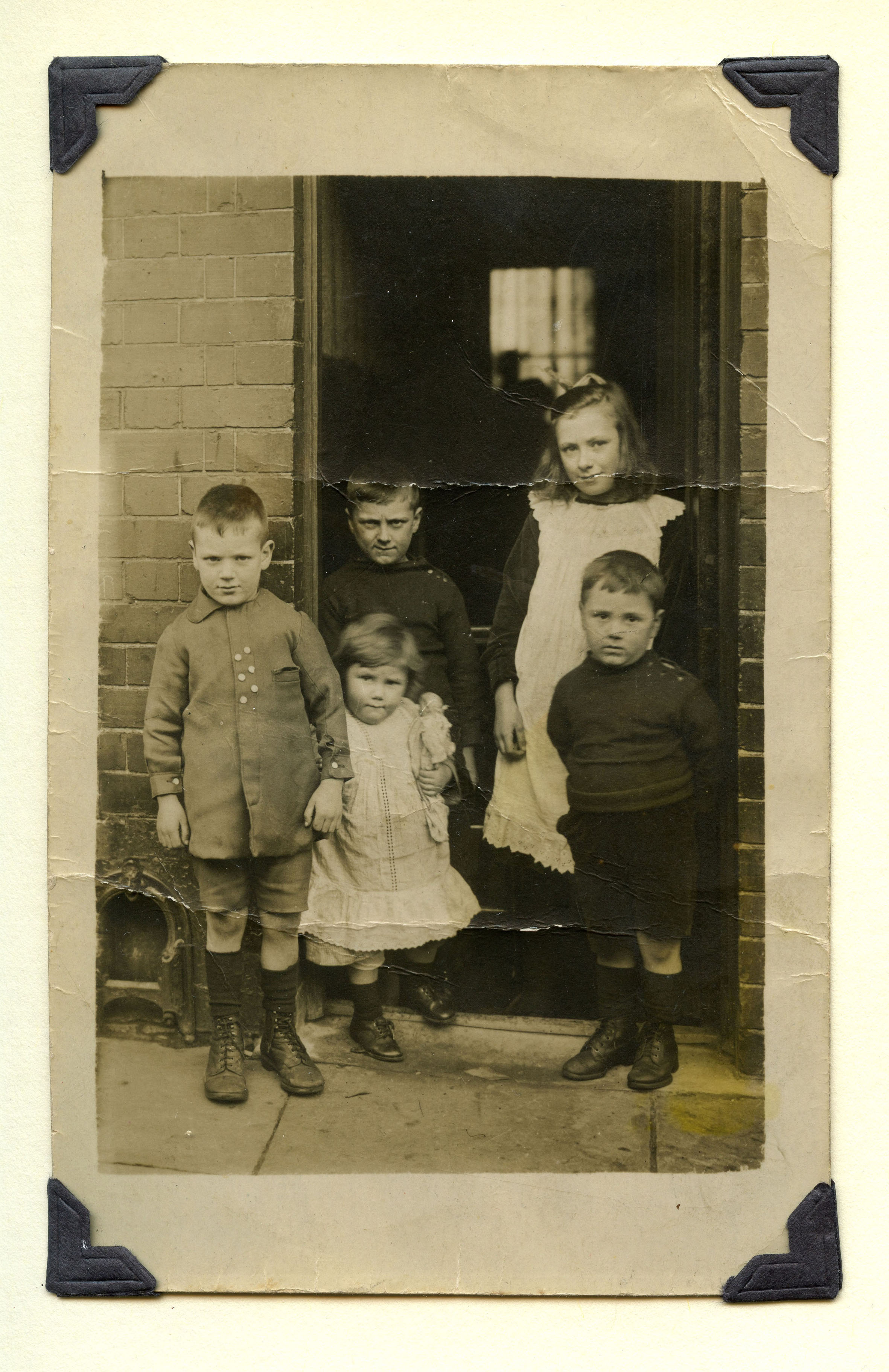
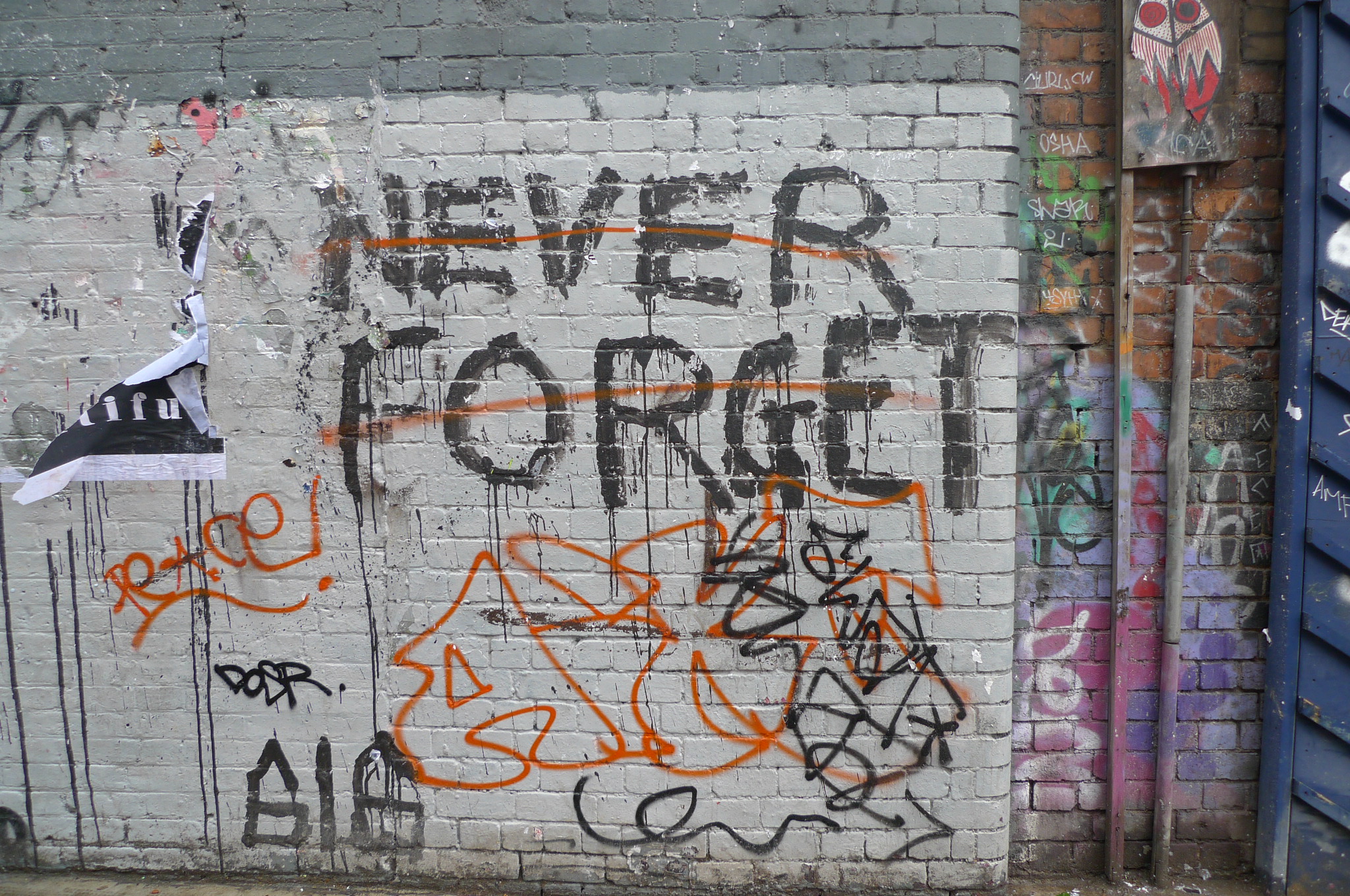
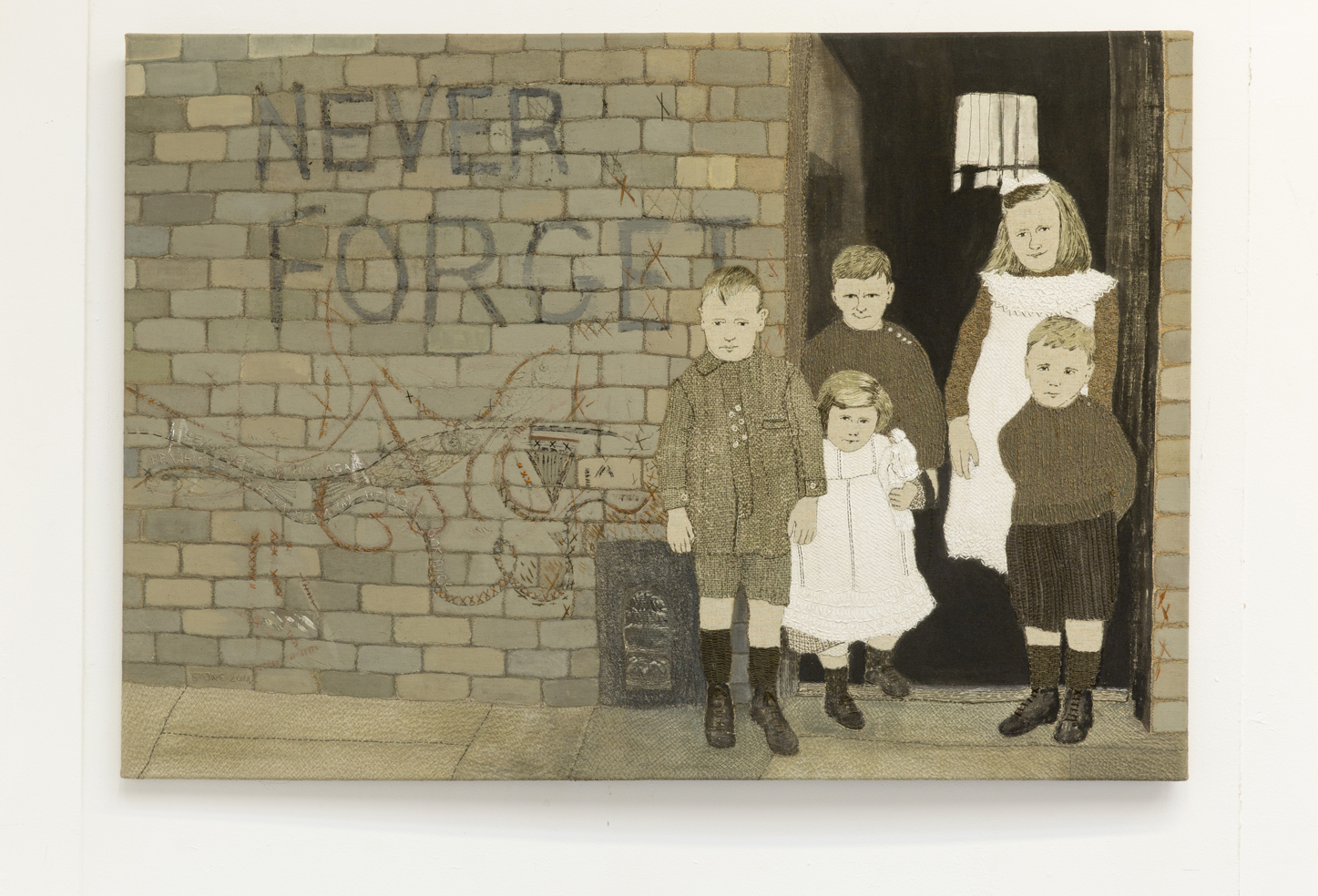
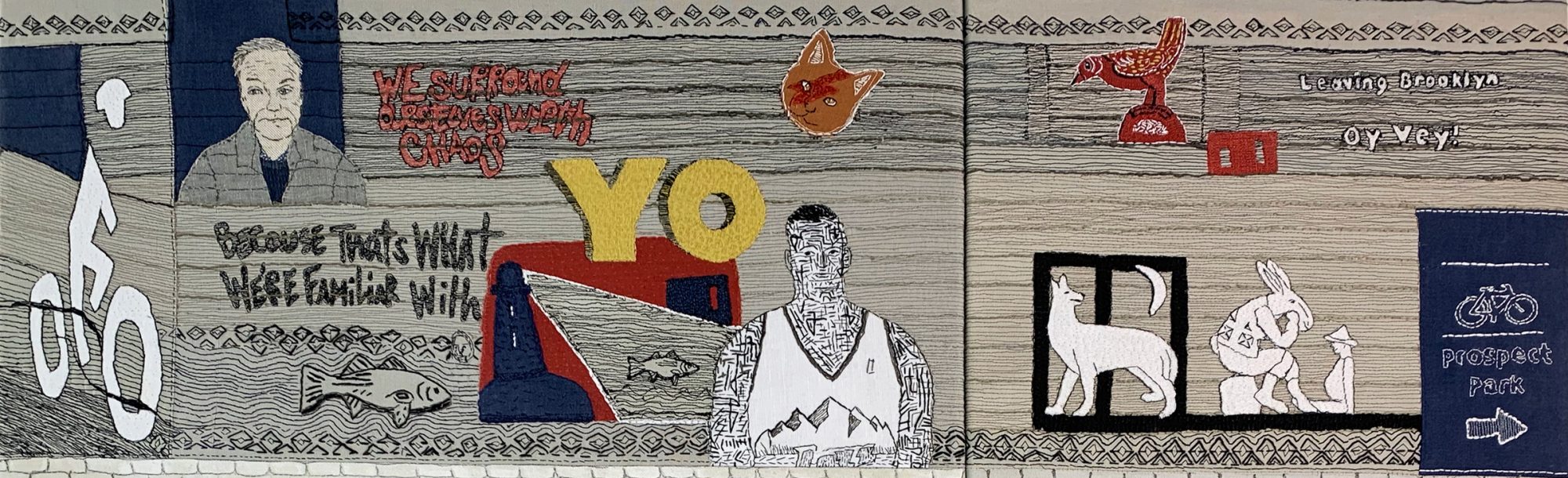
The Unknown Statistic comes from my research into the First World War during the run up to the centenary in 2014 of the start of the war. A photograph is of some children, unknown to me, but in my husband’s family album was my starting point. I have had this image waiting to be used for many years but it was only when I saw the graffiti in the East End of London I knew how I was going to use it. The children have a poignancy to them. They look as though they are watching someone walking away. I decided to use their images as a way of commemorating all the children left fatherless by the First World War. The exact number of children is unknown as it was not recorded accurately either locally or nationally. I imagined their father was one of the brave Grimsby fishermen whose trawlers went minesweeping the coast with very little protection and little recognition. He walked away and never looked back. It was bad luck for a fisherman to turn around and look back as they walked away to sea. They never saw him again. My own Great Grandfather, Harry Conder died during the first few weeks of World War One when the trawler Fittonia, of which he was skipper, was blown up by a mine in the River Humber. He was survived by a widow and several children. His eldest son Charles Conder died during the last weeks of the war of Spanish Flu, the virus that would be responsible for more than five times as many deaths as the war itself.

image of kids from the family album

Kids from the Family album

east end graffiti

east end graffiti

image of the Unknown Statistic

The Unknown Statistic

Inspiration for Stitch – Part 2 – The East End of London

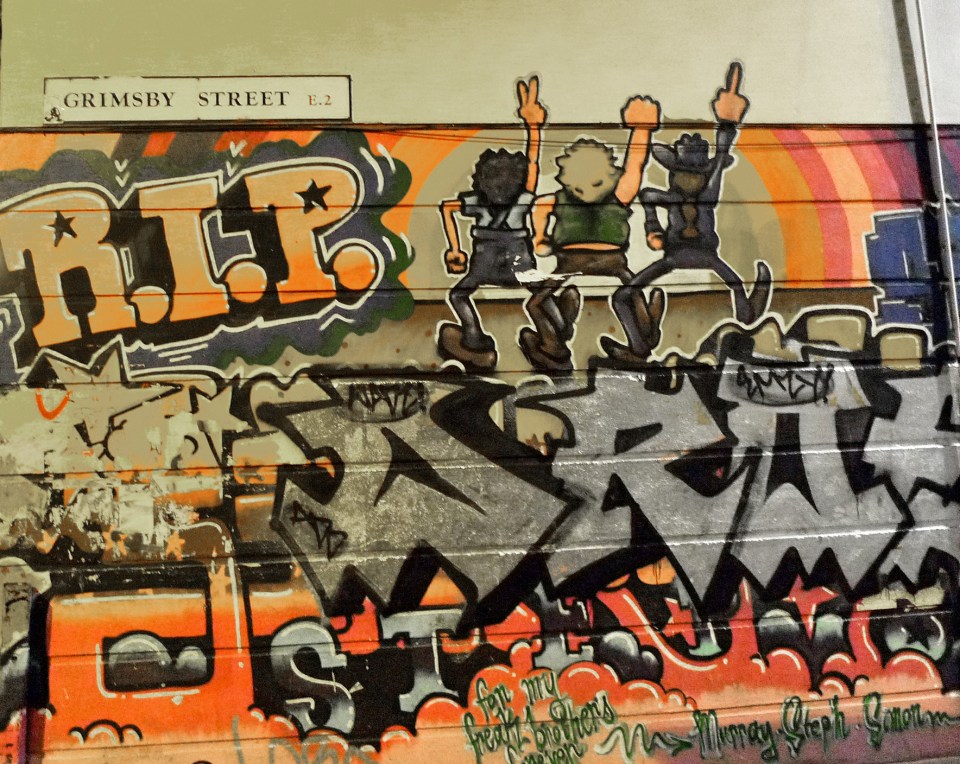
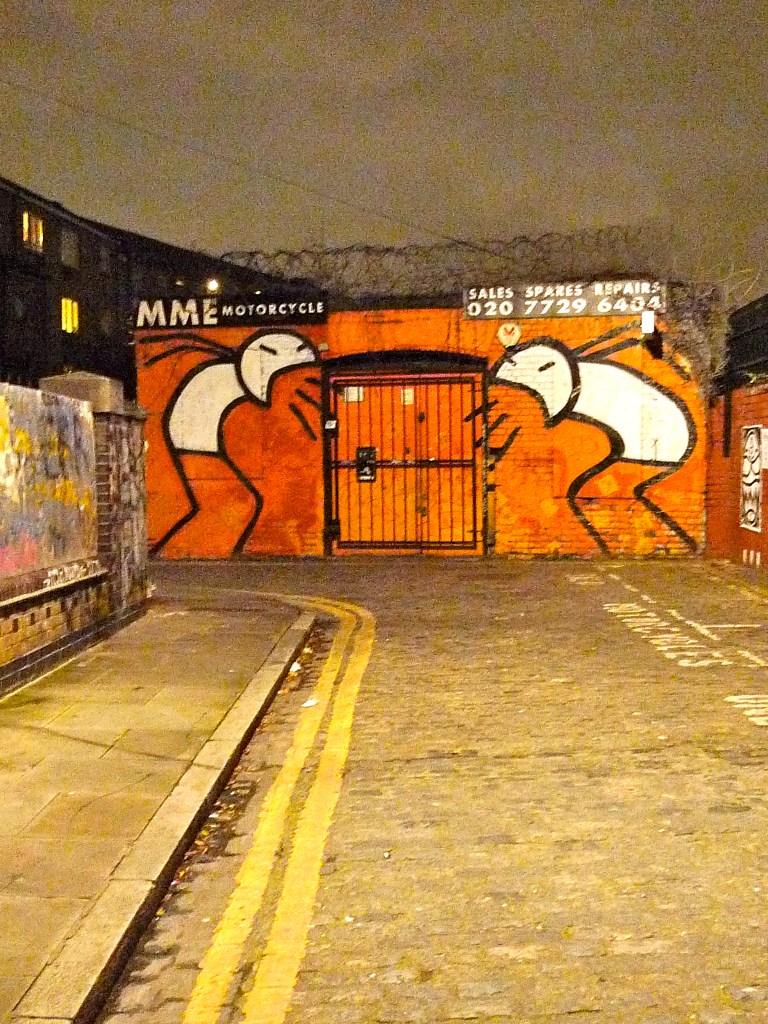
In this second post about my inspiration I take a look at the East End of London, and my love affair with the Grimsby Street area. The street is situated in E2 and shares its name with my hometown. In the early 2000s both my sons lived in London so I was a regular visitor. My younger son, Sam lived in Hackney at that time and had come across Grimsby Street E2 when visiting a friend nearby. The next time I visited he took me there and it was love at first sight.

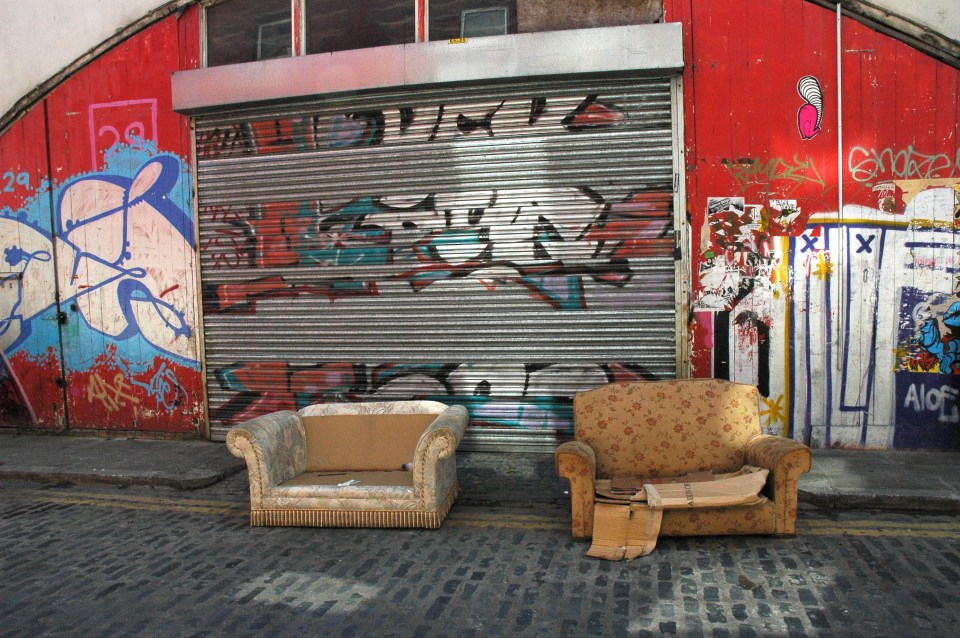
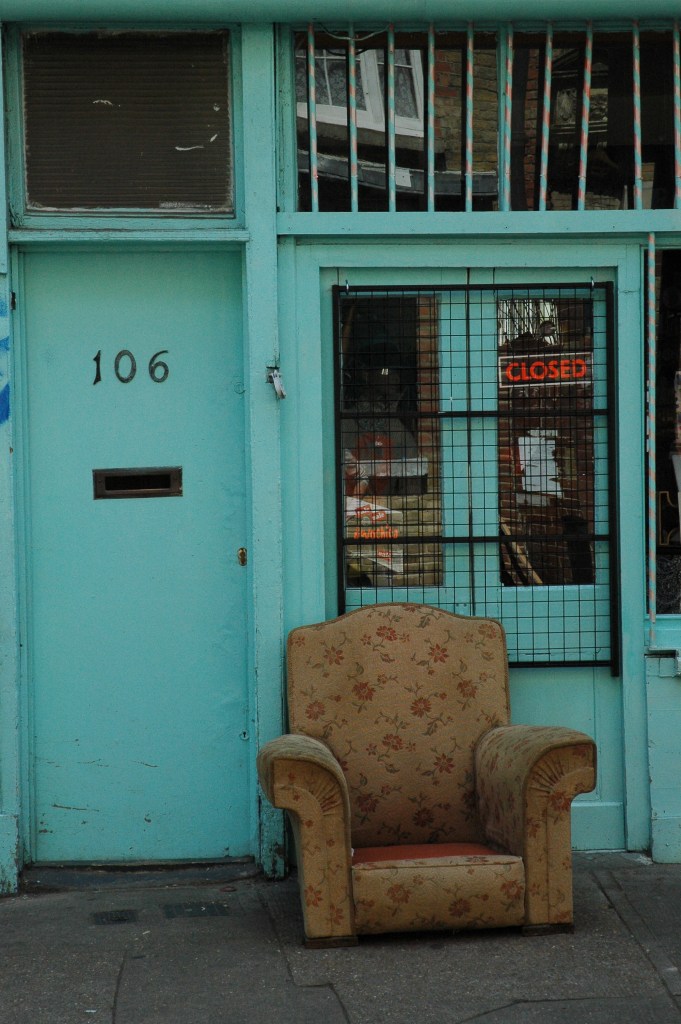
Here are some of the images I fell in love with. They may seem strange. It’s quite rundown, but an art school education taught me to look and to see beauty in the smallest detail and to enjoy the ‘out of place’. When I look at these vistas I see my next piece of work.

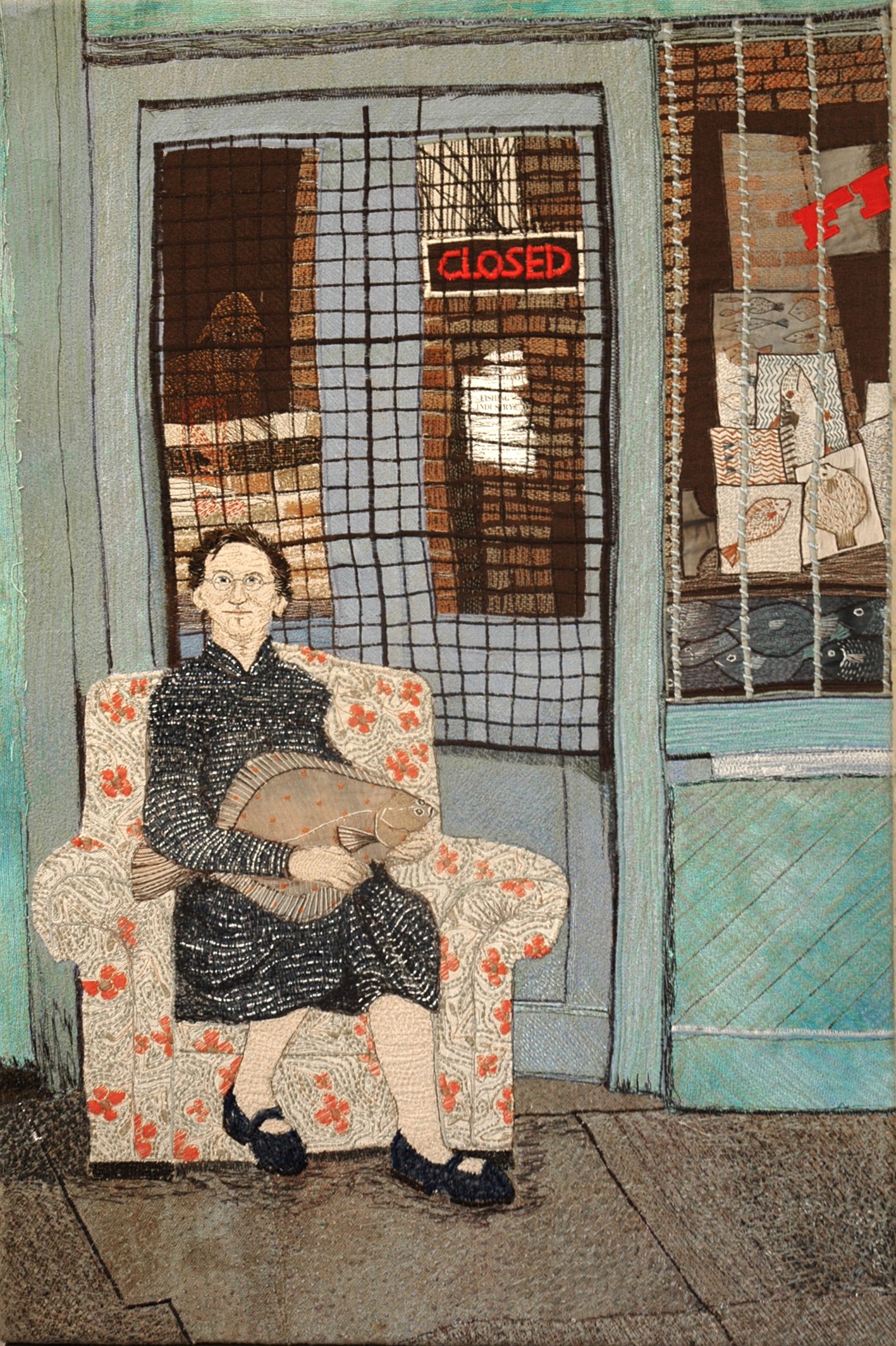
The images above inspired pieces that depict the then, the now and the journey in-between. The first pieces I made were East End Chair and Closed pictured below.

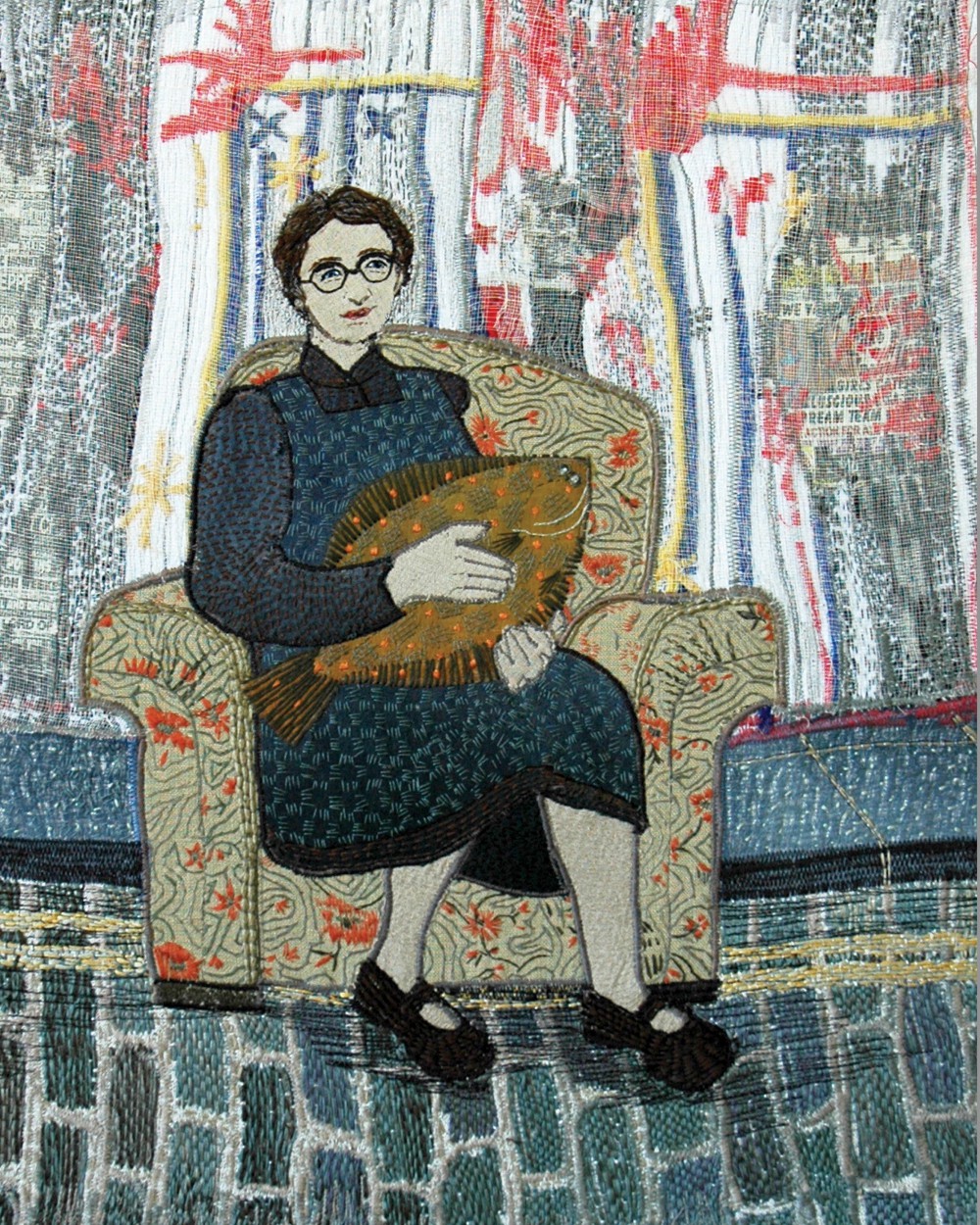
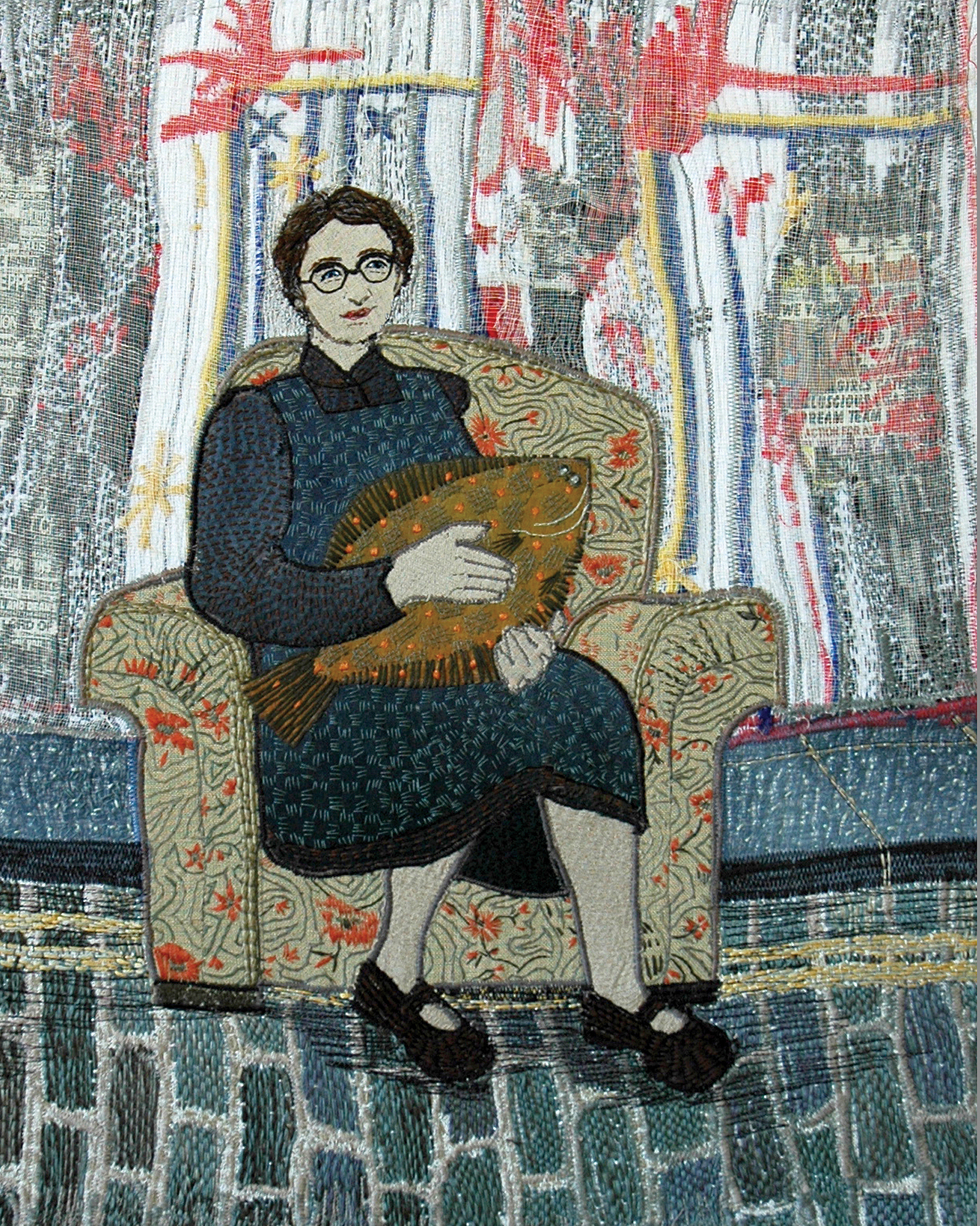
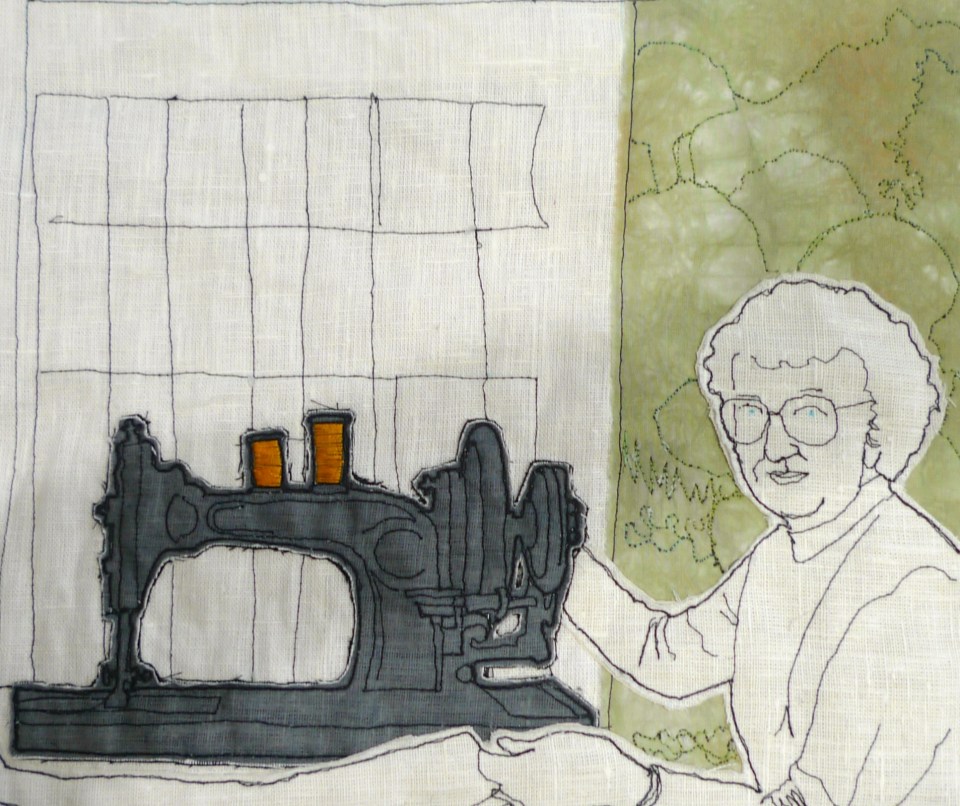
East End Chair is a portrait of my Grandmother Annie Jane Smith sat in an abandoned armchair nursing a fish. My hometown of Grimsby is best known for its connection with the fishing industry and the fish represents the prosperity the fishing industry brought to the town.

Closed depicts the demise of the Grimsby fishing industry. The closed shop sign represents the end of the town’s prosperity after the Cod Wars in the 1950s and 60s.

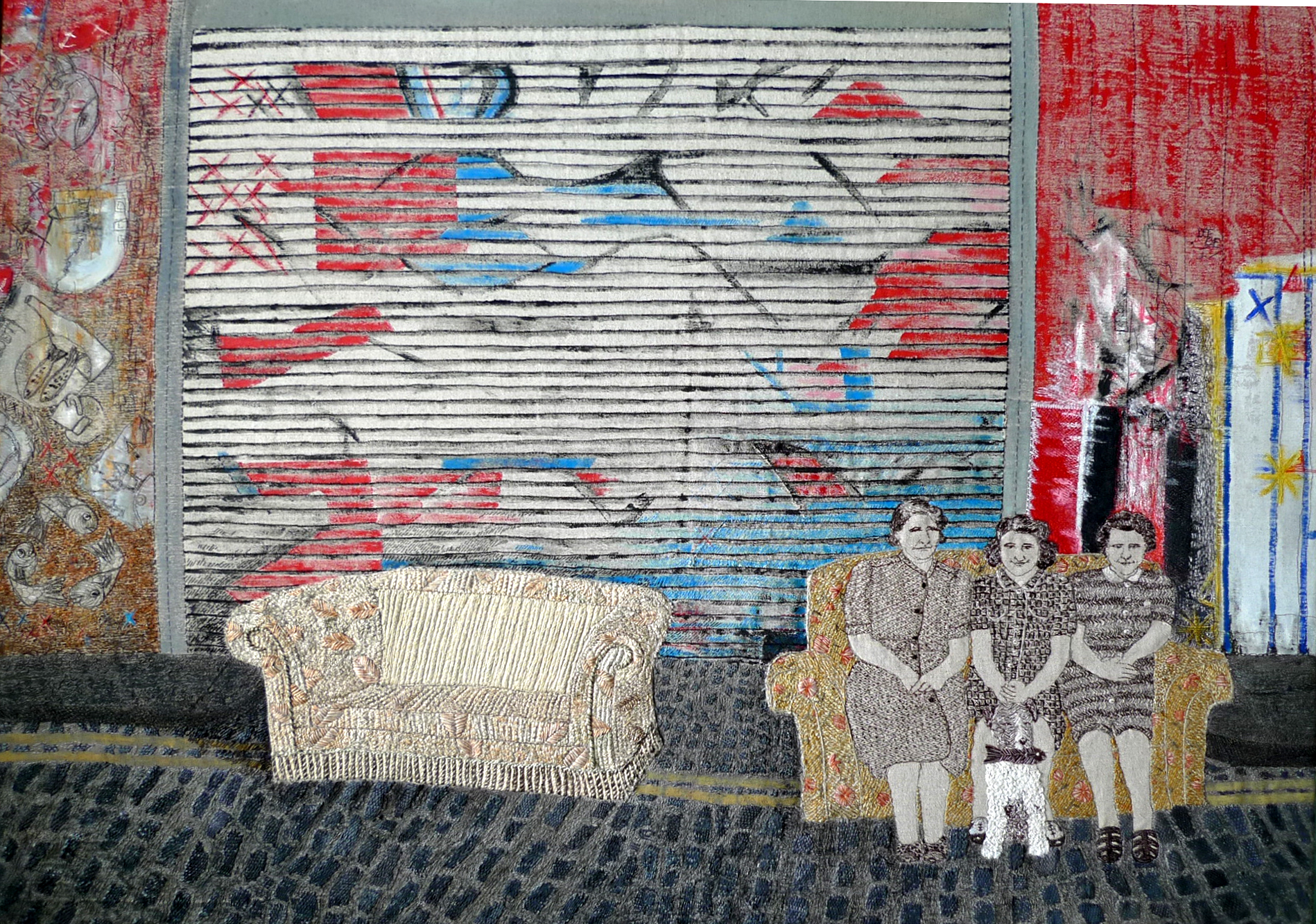
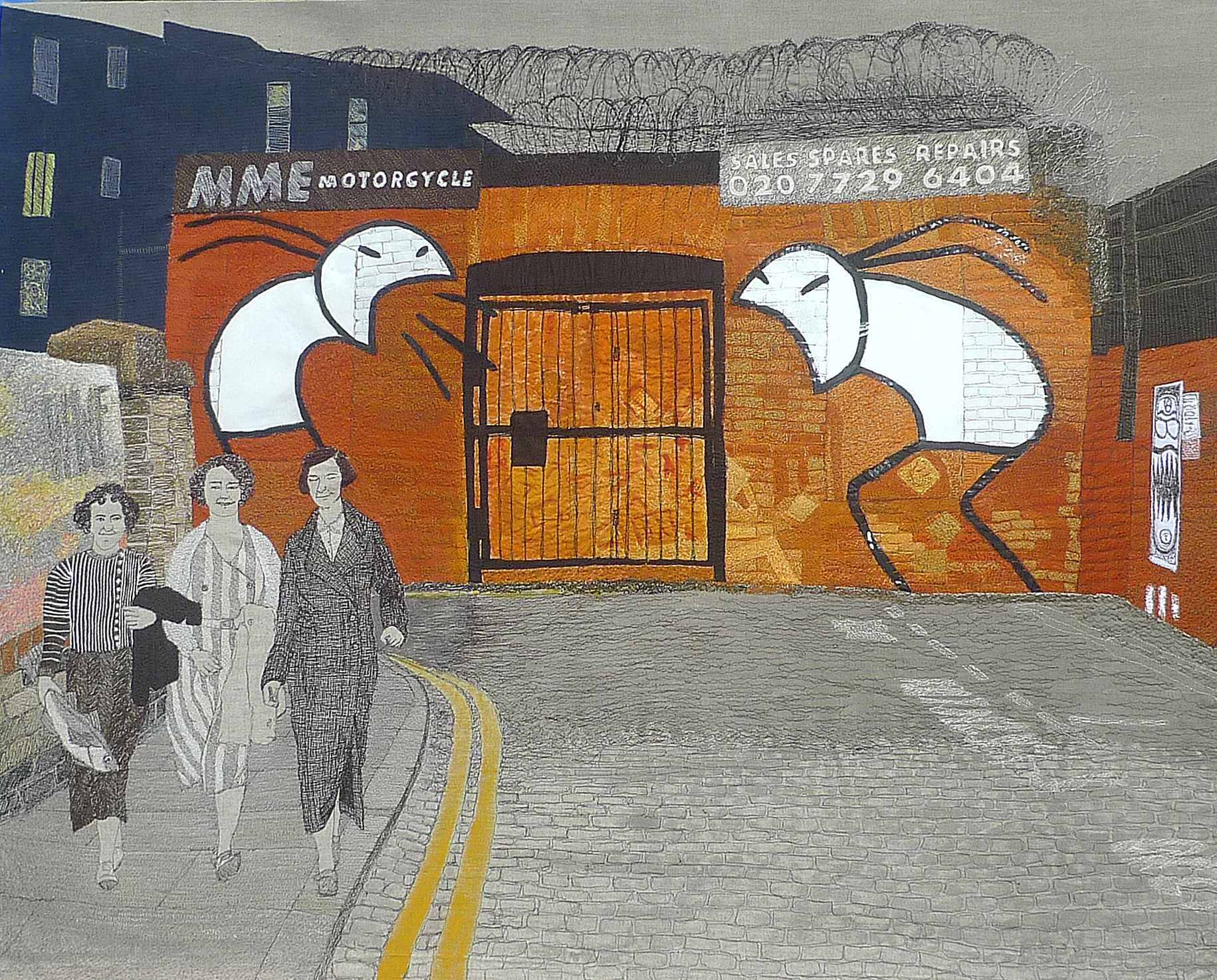
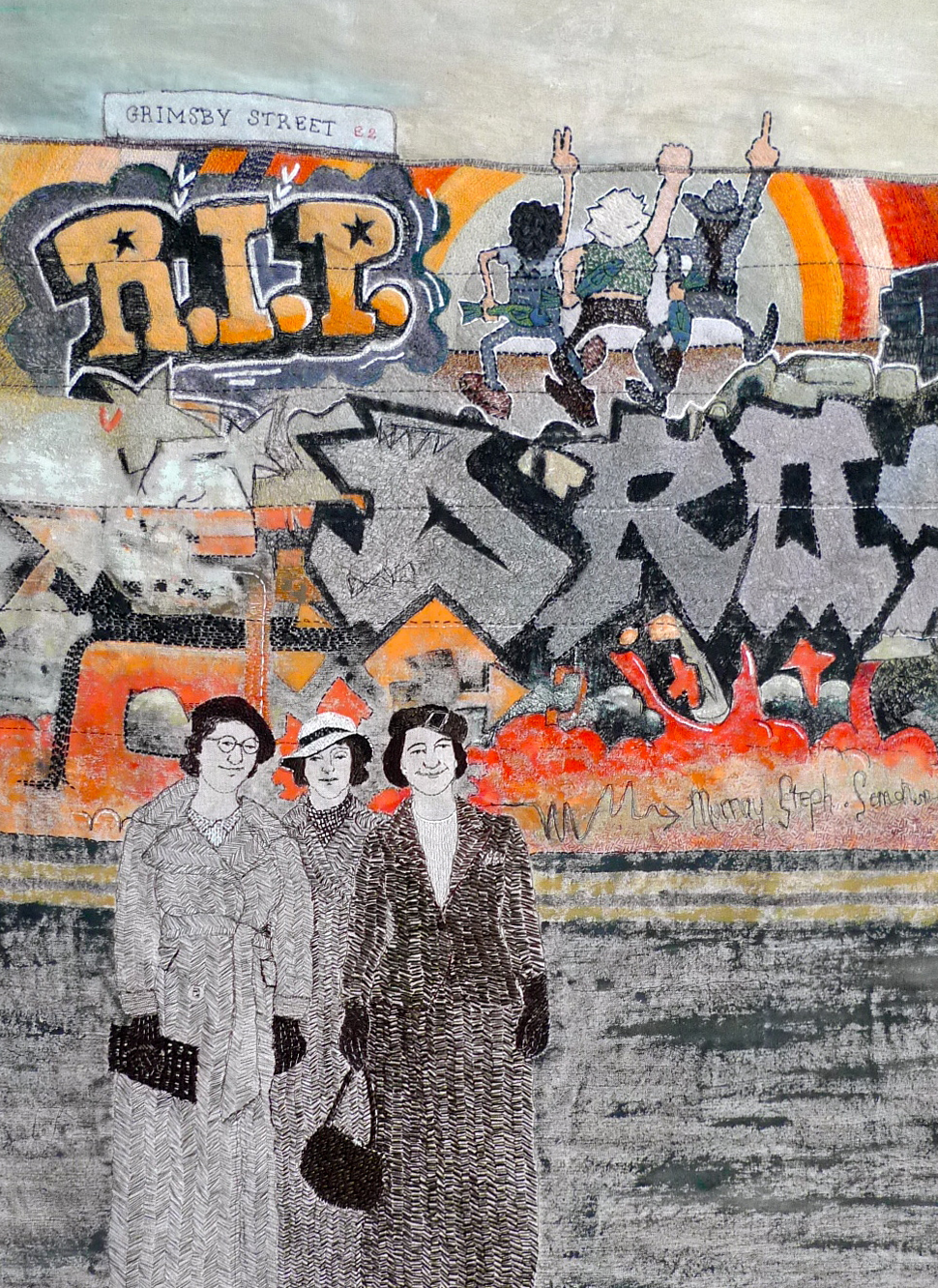
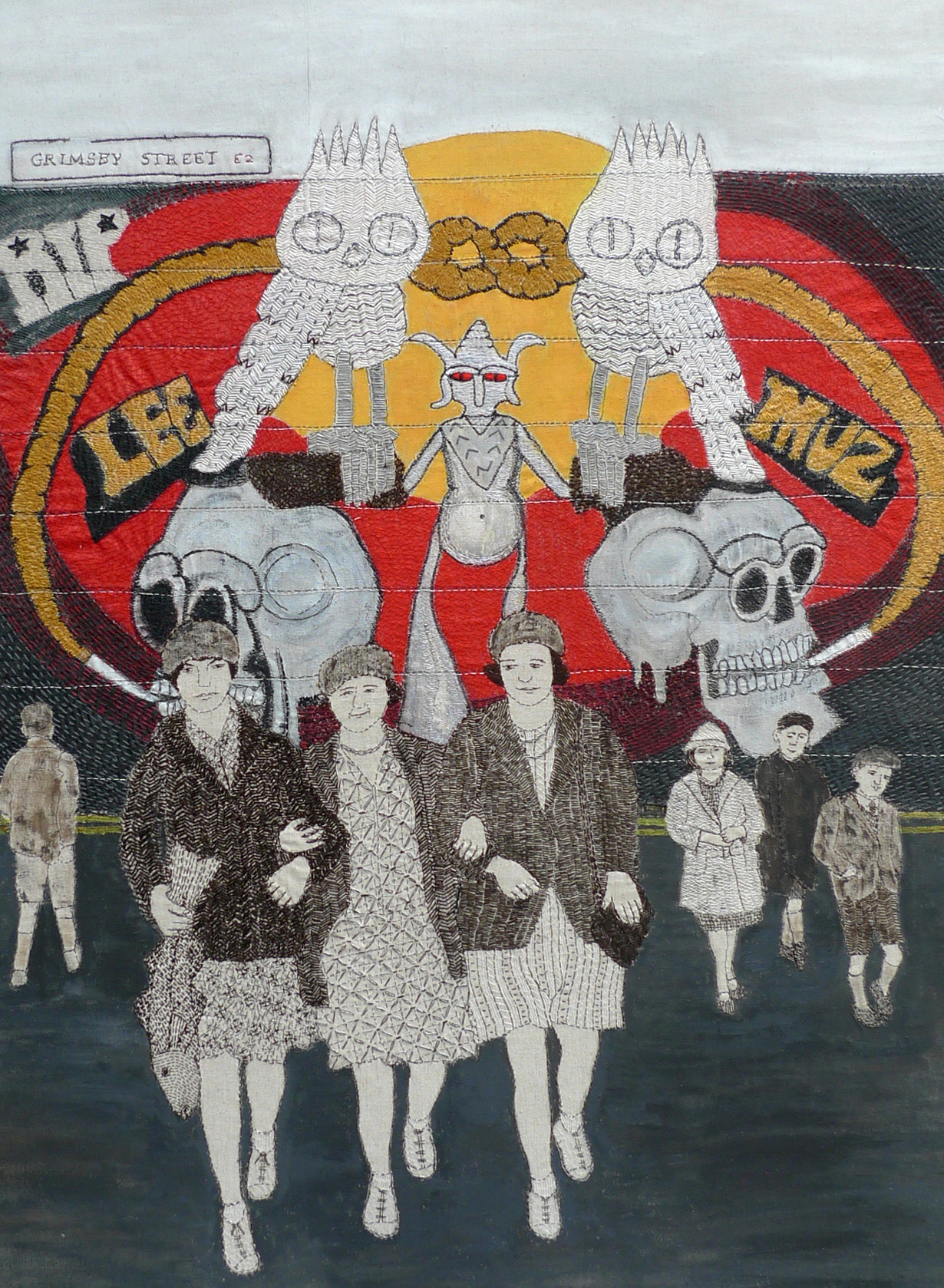
This series made in 2012 combine 2 or more images to represent the passing of time and the transience of life. A Girls Day Out, East End Girls and RIP Grimsby St E2 version 1 & 2.

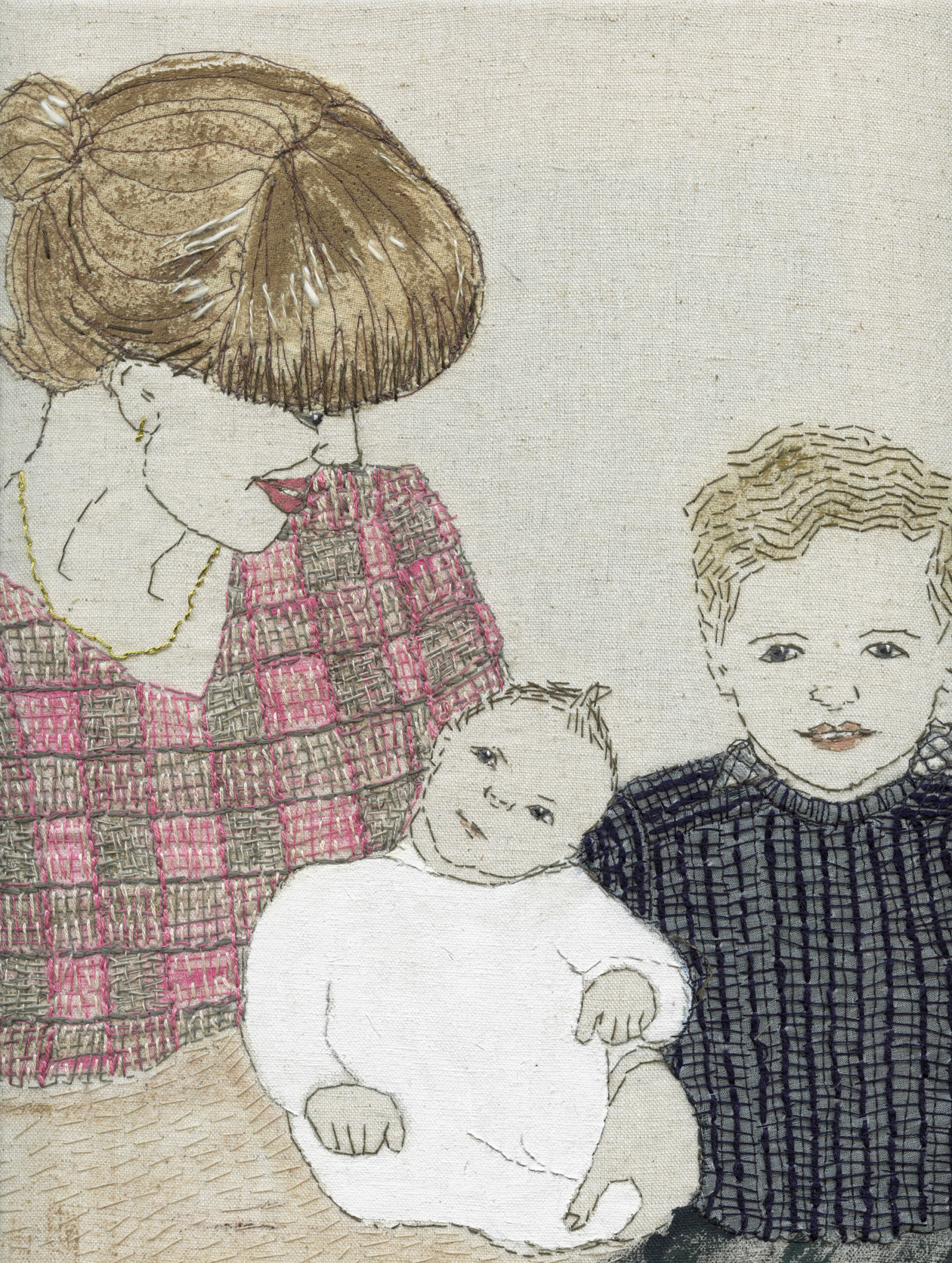
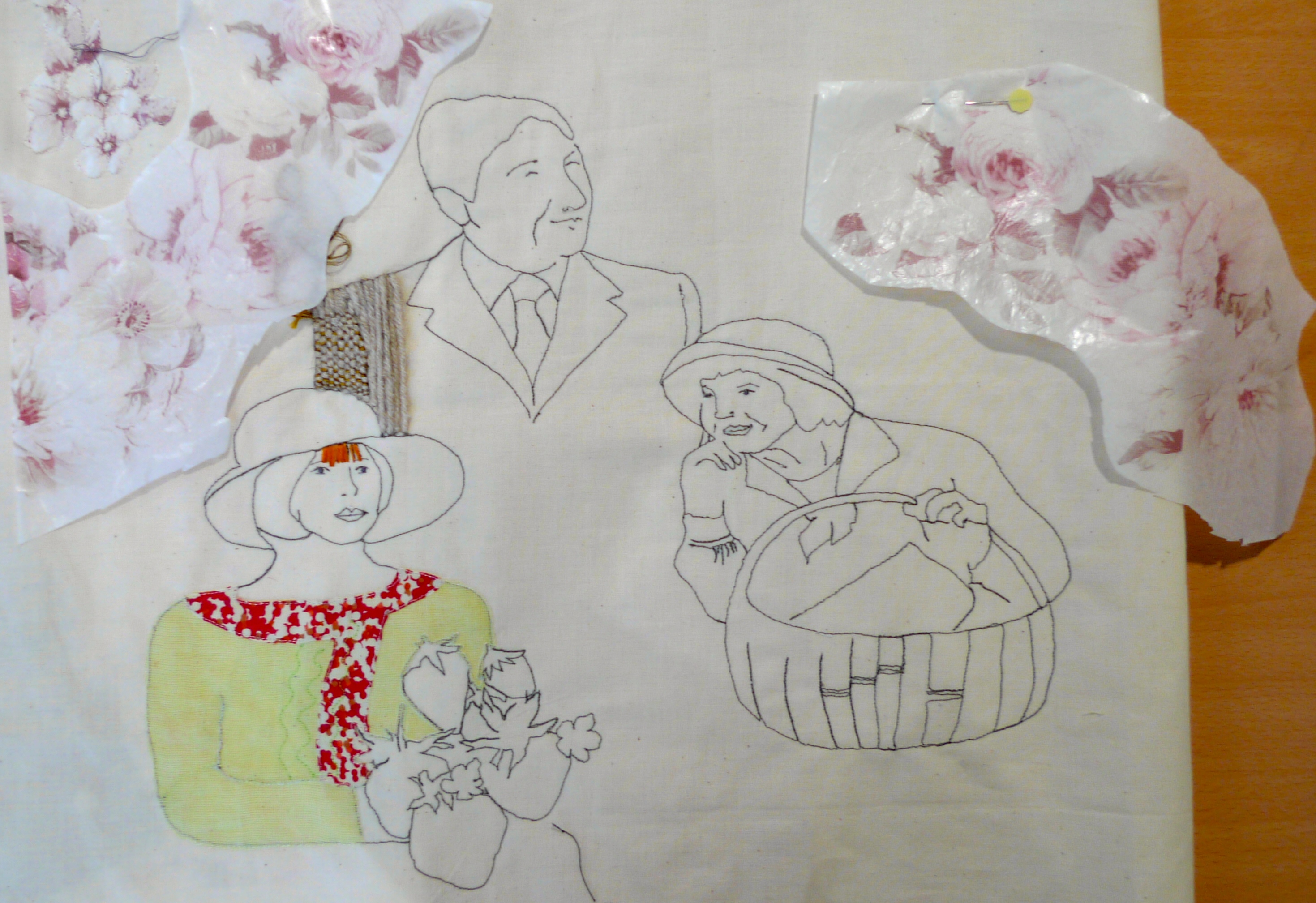
East End Girls combines an image of my grandmother, Alice Ann Stone, her daughter Madge and my Mum Muriel May Sone with an image of 2 abandoned east end sofas. It’s 128 cms wide x 104 cms high.

A Girl’s Day Out for Hilda, Nellie and Ida combines an image of 3 Grimsby sisters Hilda, Nellie and Ida with an image of Grimsby Street E2 graffiti by graffiti artist Stik.

RIP Grimsby Street E2 versions 1 & 2 chronicle the knocking down of part of Grimsby Street E2 in the run up to the 2012 London Olympics. An analogy between 2 different eras and 2 different environments .1930s Grimsby girls meet London 2012

The ever changing images of street art are fascinating. I have now been documenting the area for more than 10 years. Part 3 of the inspiration for Stitch posts will look at my documentation of the South Bank and more recent pieces inspired by the East End.

Inspiration for Stitch – Part 1 – The Family Album

Inspiration can come from anywhere and everywhere • the usual • the unusual • the intimate • the familiar • the obscure • the unexpected • the exotic • the bizarre • the world within or the world without. Inspiration for Stitch has proved to be a popular choice as a subject for groups booking my talks so I thought I would let you take a look at where I find my inspiration in a series of blog posts.

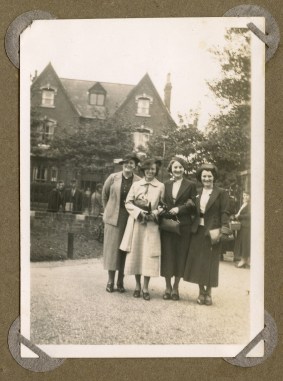
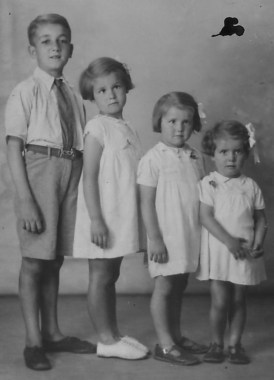
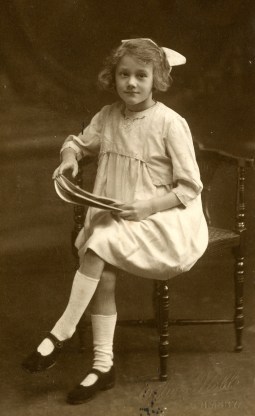
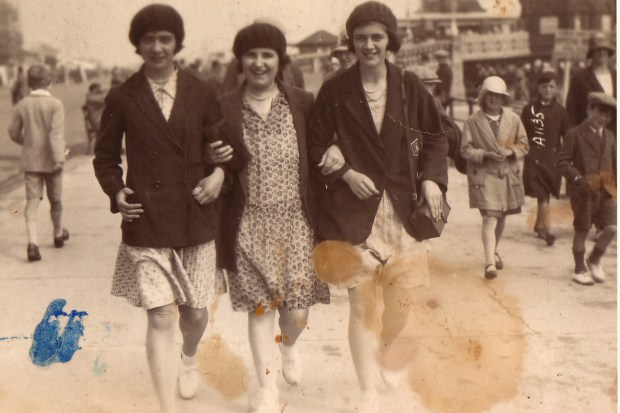
I will start with the obvious – The Family Album. These are typical of the photos I use for inspiration for my work. Click on any image to see my recent work inspired by the Family Album or go to the image galleries at my website.

family album 2               image of chilren

fred harry and madge stone                    image of Muriel May Smith

girls in berets ( ida spencer)Working with the family album is a way of remembering who I am and where I came from. The inspiration for a new piece of work can come from any aspect of these photographs, these snapshots of a moment in time, from the composition of the snap itself to the character of its subject whether I know them well or they are unfamiliar to me. My mum, my dad, my grandparents, my sister, my husband and my children have all been featured in my work.

muriel may stone

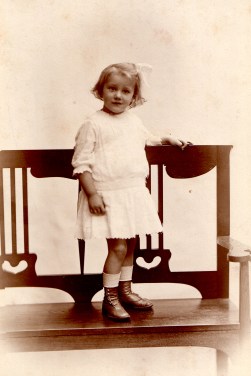
The photos I like best are the small, faded sepia or black and white photos with very little information in them. That gives me the scope to use my own knowledge and imagination to bring in my own detail, colour and texture and to create partial narratives that leave to viewer to complete. My interest in an unknown subject goes beyond the purely visual, I inquire into who they were, their relationships and how they lived.

 Much of my work alludes to the passing of time, merging disparate images from the past with those from the present. The family album provides me with me a rich resource. It enables the use of people as a device to portray the past and allows me to combine their images with my own photos of the present.

I hope you have enjoyed this look at my family album. The next in this series will look at my love affair with the East End of London, graffiti and street art.

Ebb & Flow • Behind the Scenes

image of Portrait of a Grimsby Girl

Portrait of a Grimsby Girl

The opening of the 62 Group Ebb & Flow exhibition is getting closer but the project itself has been almost two years in the planning. 

It started with an invitation from Grimsby Minster to show our work in the Minster which is a busy and vibrant resource for the people of North East Lincolnshire, an “architectural gem” tracing its history on this site for more than 900 years. I soon realised, however, that because we are such a large group of very diverse artists that there would not be enough suitable hanging space and display for smaller 3D work in the Minster for all of our work to be shown.

A second venue was sort and we were offered the upper floor, the mezzanine, of the Muriel Barker Gallery at the Fishing Heritage Centre in Grimsby. The Grimsby Fishing Heritage Centre was purpose built and opened in 1991. Its permanent exhibition tells the story of the Grimsby Fishing Industry in its heyday in the1950s. The white-walled space at the Fishing Heritage Centre contrasts nicely with the grandeur of the Minster.

image of All at Sea

Lucy Brown
All at Sea

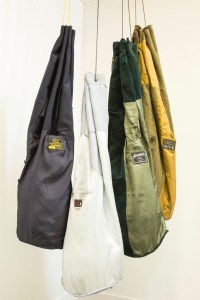
The Ross Tiger, GY398, is an ex-working 1950’s trawler and the largest item in the heritage collections. Lucy Brown, one of our exhibiting members has made site specific work to be shown on board the Tiger. The image left shows Lucy’s ‘sea bags’ which will be installed around the living quarters on the Tiger. Once the venues were in place we worked on the detail of the project and funding bid to Arts Council England by Grimsby Minster which was successful. This enabled us to work with freelance writer and curator, June Hill who has been on hand to advise the group throughout the project and who will be opening the exhibition on 13th September. It also helped the group to put together a full education programme and to produce a full colour catalogue with professional photography which will be on sale at both venues.

Details of our education programme can be found here. Many of our members visited Grimsby in February when we were given a tour of both venues and of the museum collections store. All of our exhibitions are selected by a selection panel of 5. The panel is different for each exhibition and can include a representative from the venue. The selection process has now been completed and 37 pieces of work were selected for the exhibition made by 28 artists.

Photography

Photography Day at the Minster

This week we also completed the photography for the catalogue which is now in the design stages. The catalogue will be on sale at both venues.

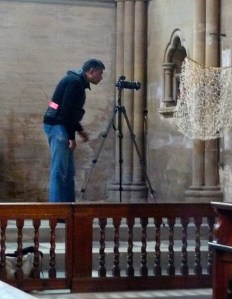
The photographer for the majority of the pieces is David Ramkalawon who came to Grimsby from London for 2 days to photograph work at both venues.

The snap left shows David photographing work in Grimsby Minster. 

Next week the hanging process begins. Watch this space for more ‘behind the scenes’ glimpses of Ebb & Flow.

Figurative Textile Workshop – Unlocking the Family Album

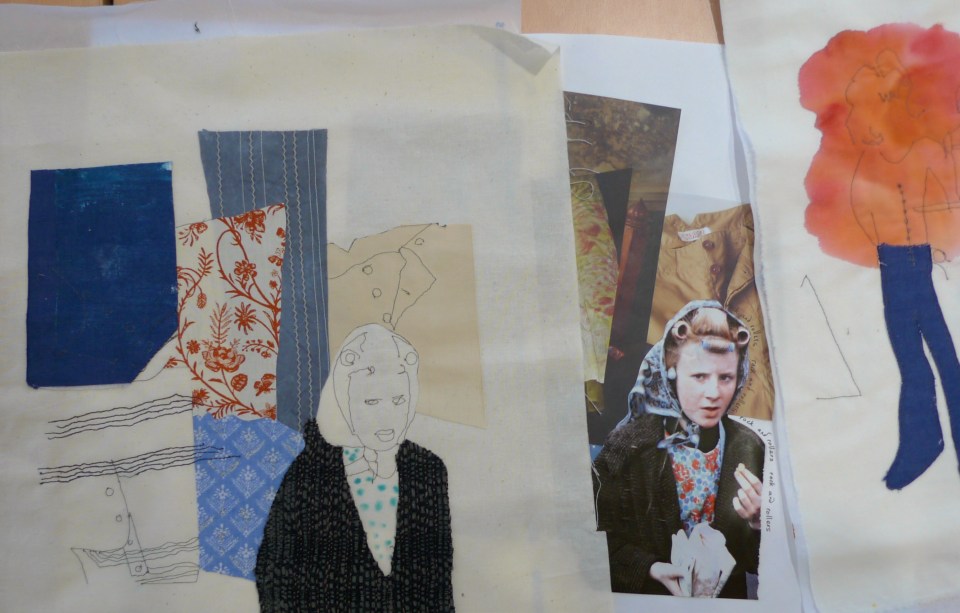
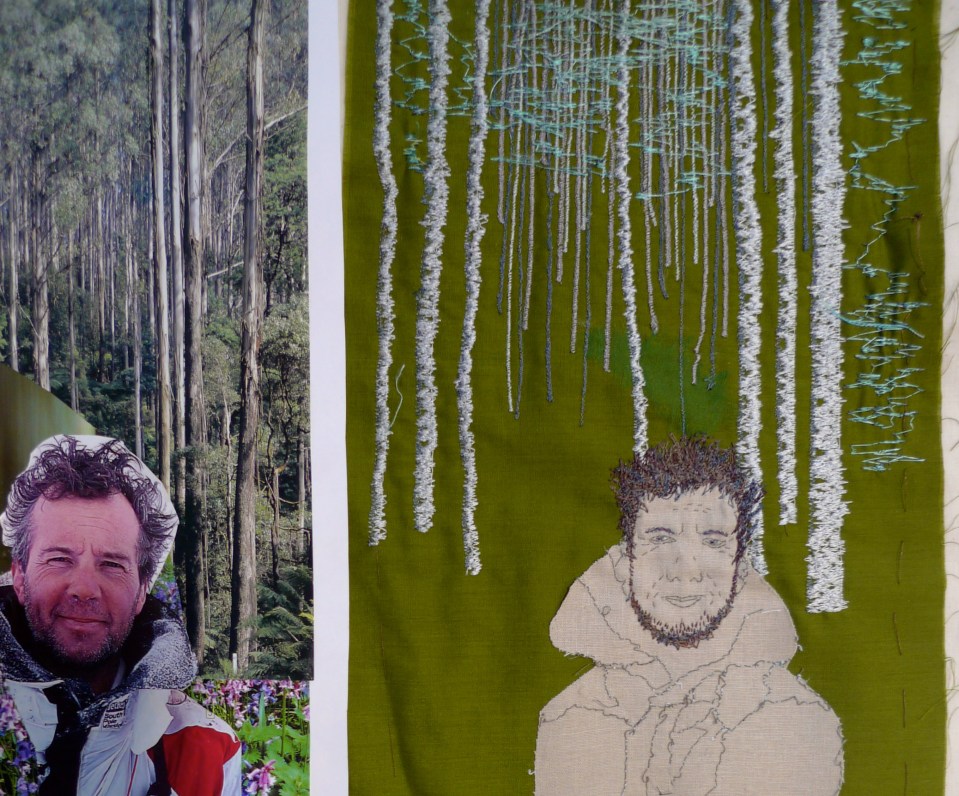
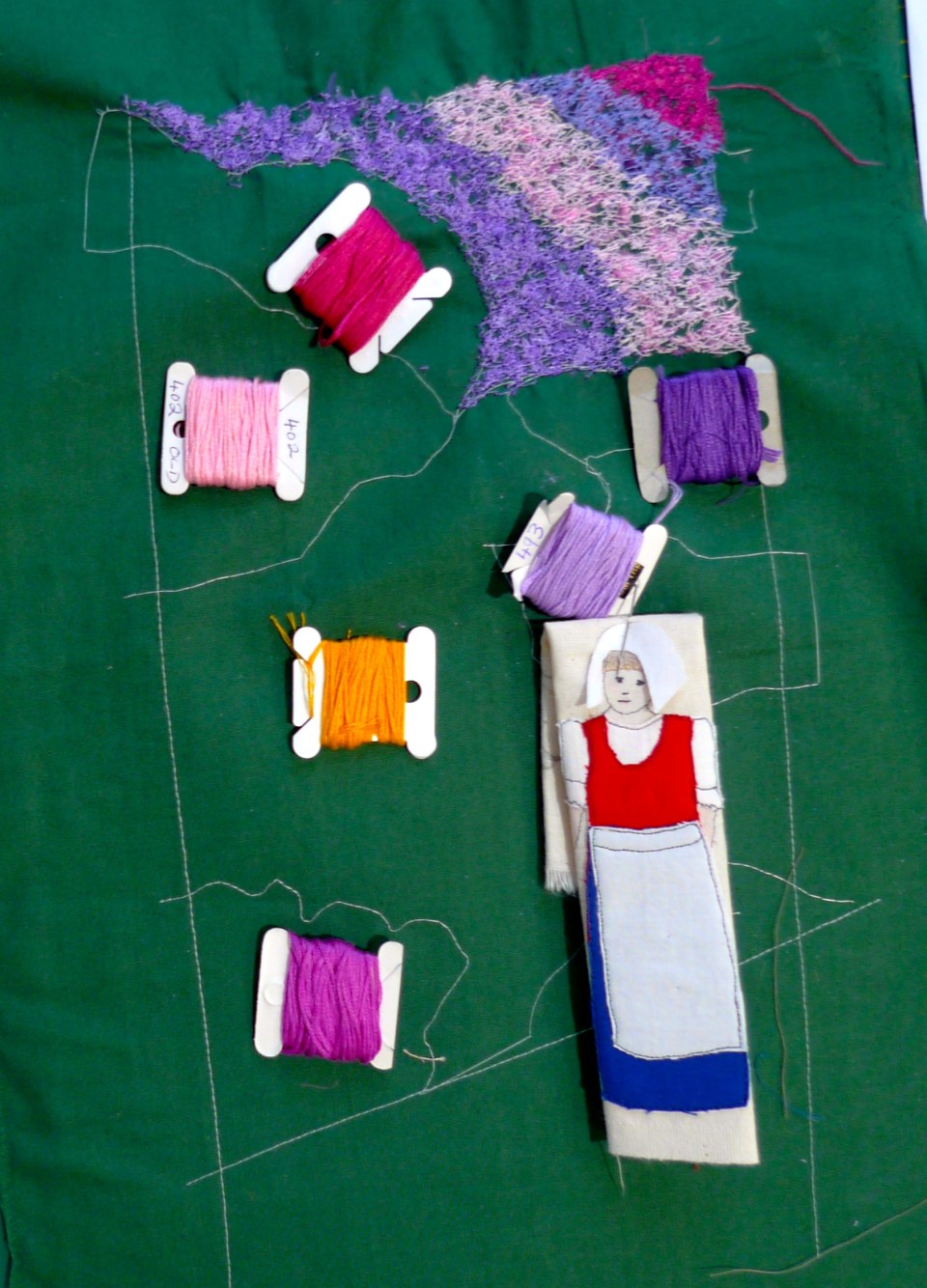
A couple of weeks ago I travelled to Durham to deliver a figurative weekend workshop to the very friendly and welcoming ‘Embroidery 15’ group. Many of the group had never worked figuratively before so I was pleasantly surprised by the resulting work. The workshop started with my presentation about the way different textile artists use the figurative image and by looking at my own handling collection which comprises of lots of small samples of different techniques that can be used for figurative textile work. We continued by experimenting with composition in collage and finally started to work with fabric and thread, mixing hand and machine stitch with appliqué and paint.

Here is a selection of the student’s work that was produced over the weekend.

student's work 17

student's work

student's work 1
student's work 2P1090112
student's work 6

student's work 9
student's work 11 student's work 12

student's work 13

A new art fair inspires the North

I have just finished sorting out my work for the Same but Different Art Fair which has been organised by the Bowery Gallery on Saturday 12th & Sunday 13th April 2014 at Temple Newsam Walled Gardens in Leeds, West Yorkshire, UK. I will be showing lots of small studies  one of which is shown. Read more about SBD Art fair.

Image

It’s always challenging finding a box into which it will all fit but that is done and I can now move onto my next deadline and my next box for the ‘Beside the Sea’ exhibition at Bilston Craft Gallery in Wolverhampton which runs from 12 April – 14 June 2014. I will be showing some of my ‘Life on the Coast’ series at this exhibition including ‘Bathing Belles shown below.

Read more about the exhibition.

Steve Thornton