textileartist.org is a great website resource with articles, reviews, offers and artist’s interviews from James Hunting, Tilleke Schwarz, Carol Naylor, Nigel Cheney, Caren Garfen, Sumi Perera and more.
Take a look.
textileartist.org is a great website resource with articles, reviews, offers and artist’s interviews from James Hunting, Tilleke Schwarz, Carol Naylor, Nigel Cheney, Caren Garfen, Sumi Perera and more.
Take a look.
http://http://www.tate.org.uk/whats-on/tate-modern/exhibition/lichtenstein
First to the Lichtenstein at Tate Modern on Friday. I really enjoyed this but having read a review saying that all rooms looked the same I wasn’t sure I would. This review was grossly unfair.
Perhaps I am a bit sentimental about Lichtenstein because his work reminds me of time spent in London in the late 60s/early 70s but I particularly enjoyed the later collages and also the small drawings and of course the old favourites such as Whaam!
Then on to the White Cube in Bermondsey to see Chuck Close’s print exhibition. His work is fantastic and to see the prints broken down into there individual colours was amazing. An enthralling exhibition for anyone who is into the technical side of printmaking .
http://whitecube.com/exhibitions/chuck_close_prints_process_and_collaboration_bermondsey_2013/
On Saturday I gave a talk to the Contemporary Quilt AGM at the American Church in Tottenham Court Road. They were a great group of people who made me feel really welcome. Contemporary Quilt are a specialist group of the Quilters Guild of the British Isles.
http://www.contemporaryquilt.org.uk/
On Sunday the highlight of the weekend which was a visit to the Kurt Schwitters exhibition at Tate Britain. I’m a big fan of collage so it was a treat to see Schwitters small collages which were definitely the best part of this exhibition. I had seen his work first at the Armitt museum in Ambleside a few years ago but I knew nothing of his period of internment on the Isle of Man so it was fascinating to see the work from that period as well.
http://www.tate.org.uk/whats-on/tate-britain/exhibition/schwitters-britain
Now I’m back in GY and all cultured out!
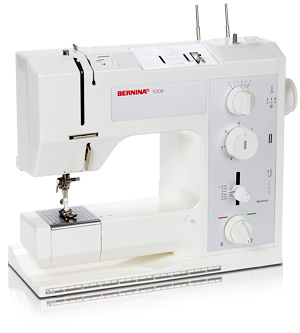
I was going to write about my 5 favourite sewing machines but then I realised there is only one for me.The Bernina 1008 is the best mechanical sewing machine in the world, unless you can tell me different. To have one of these is great, to have two, as I do is fantastic. One can be set up for free machine stitch with the darning foot and the feed dropped whilst the other is ever ready for dressmaking techniques with the standard foot and the feed raised. I’m sure there are lots of great fancy digital machines out there but for me nothing beats the control I get with a basic mechanical and the hands-on drawing skills that it allows me to employ.
Experimenting with my new stylus . See more at:
http://womanwithafish.com/News.html
Need to keep working at it me thinks!
There are so many great embroidery stitches so why do I use so few of them?
The answer is that the ones I do use are so versatile. These are my 5 favourites.
1 • Running Stitch
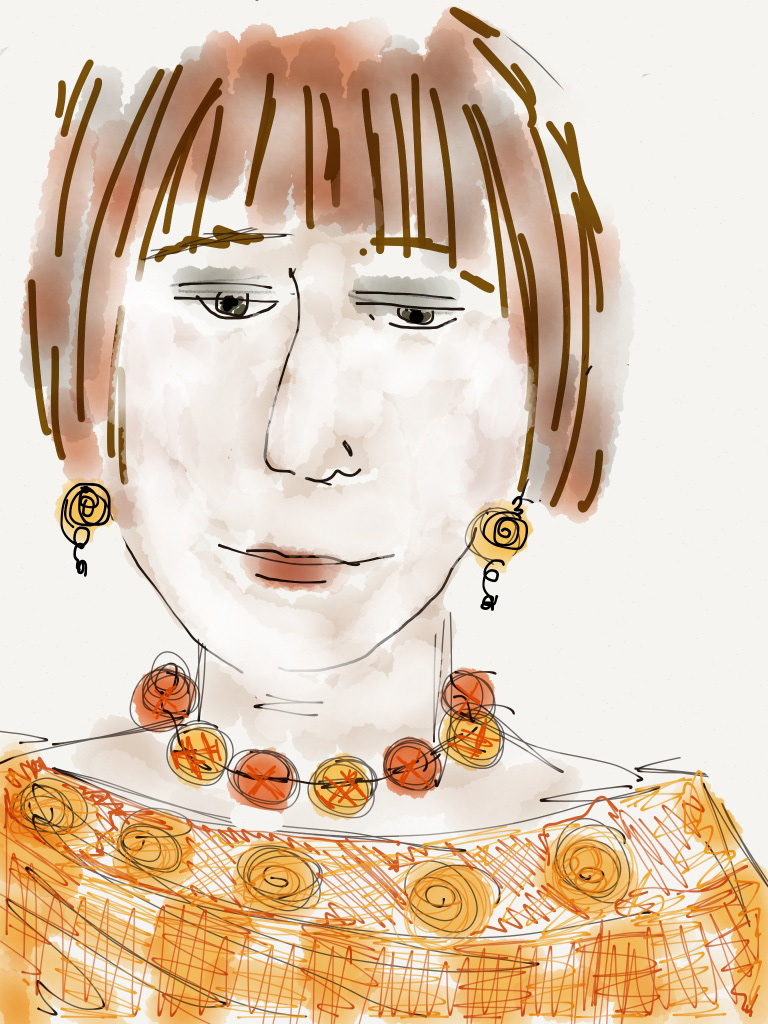
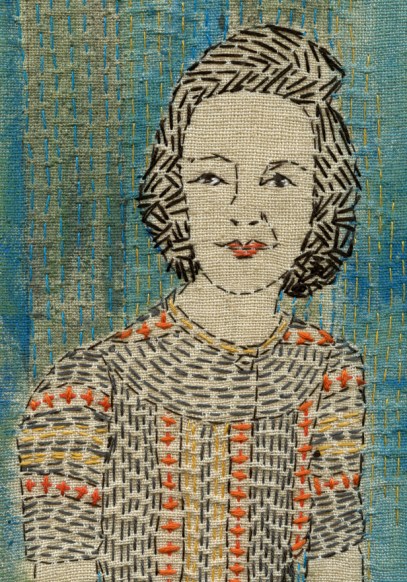
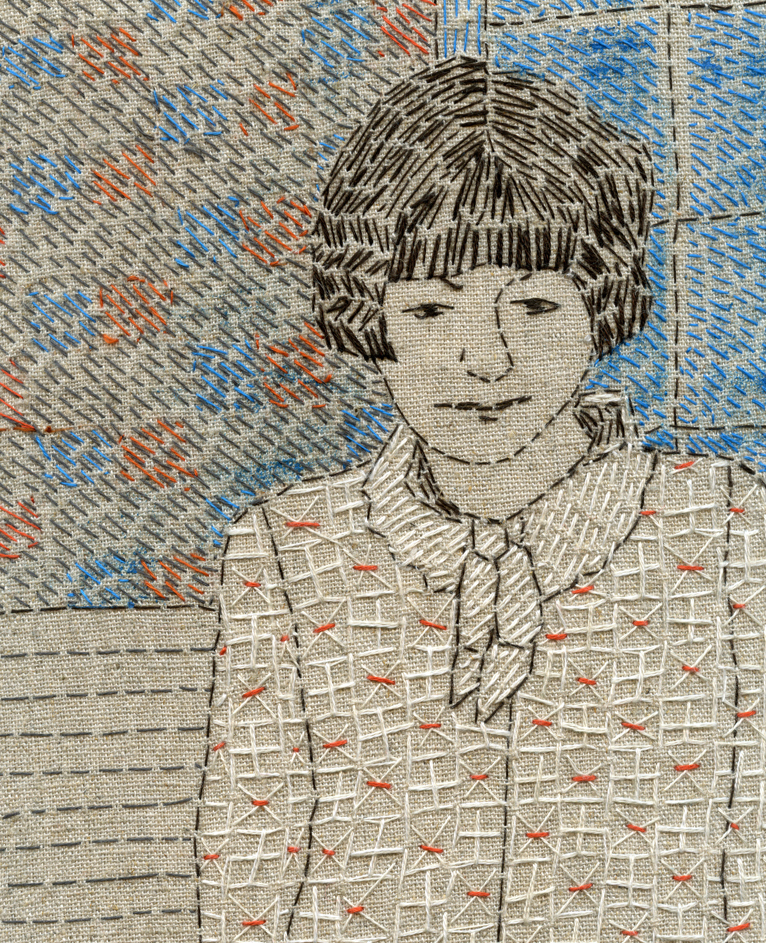
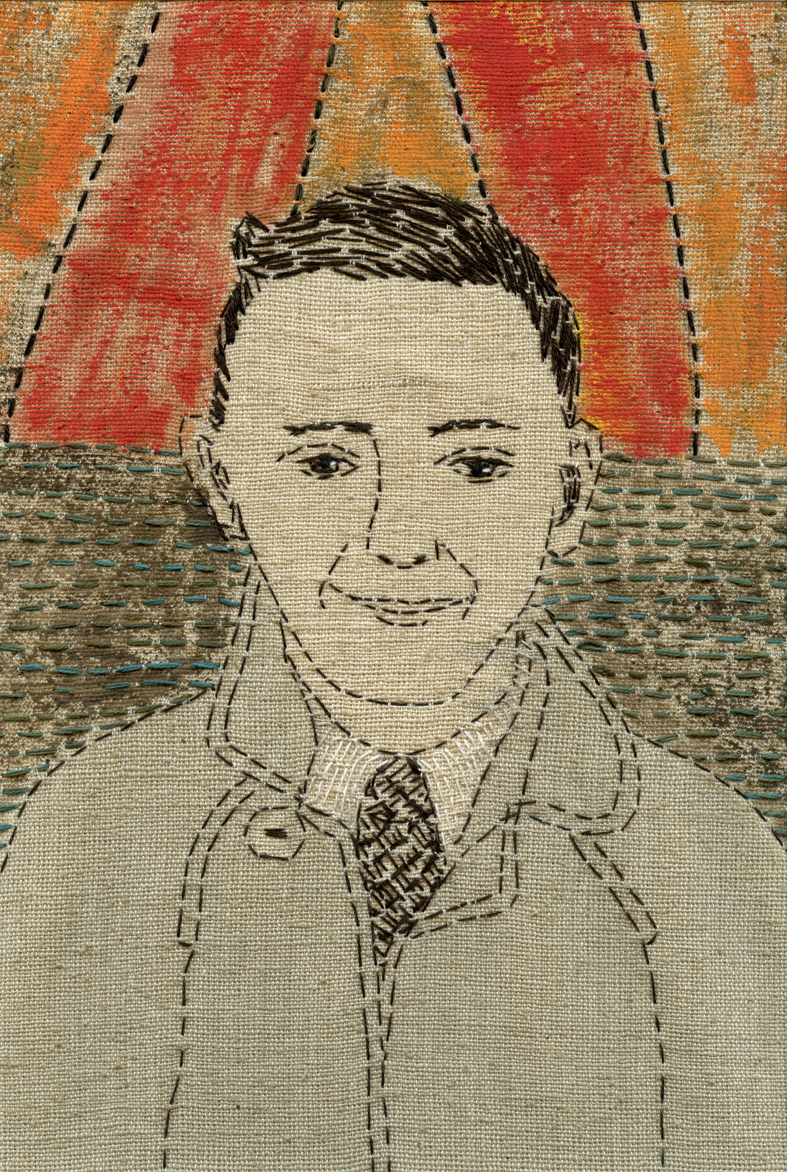
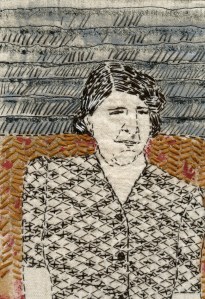
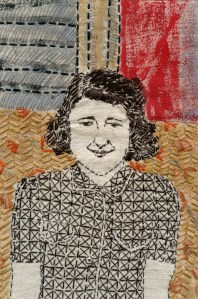
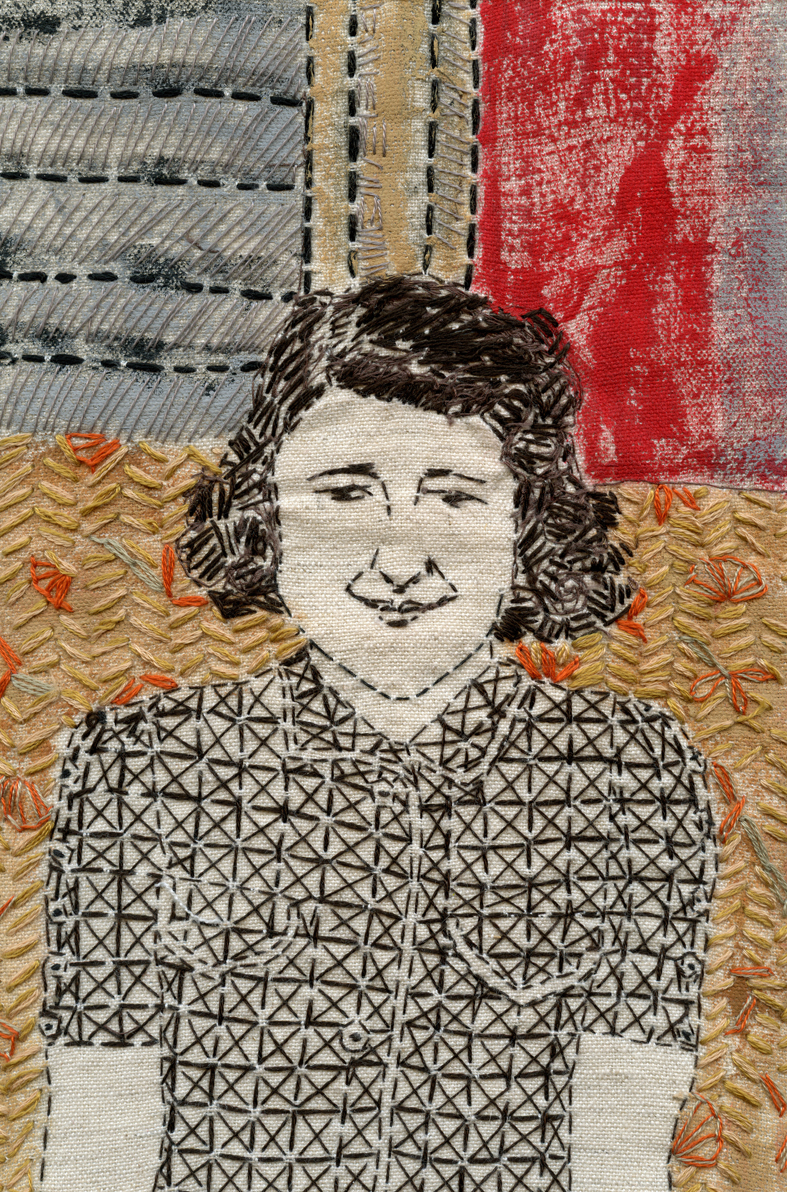
Possibly the most useful of them all, Running Stitch is a basic, straight stitch that can be used in so many ways. By varying the length of the stitch and the thickness of the thread so many different effects can be achieved. I use it most frequently for drawing portraits using just a single strand of stranded cotton thread.This stitch is also good for hair as just changing the direction of the stitch can give a wave or a curl effect. Patterns can easily be created on clothing by using the stitch in different directions to draw squares, stripes, triangles and zigzags. Here are some examples of how I have used running stitch.
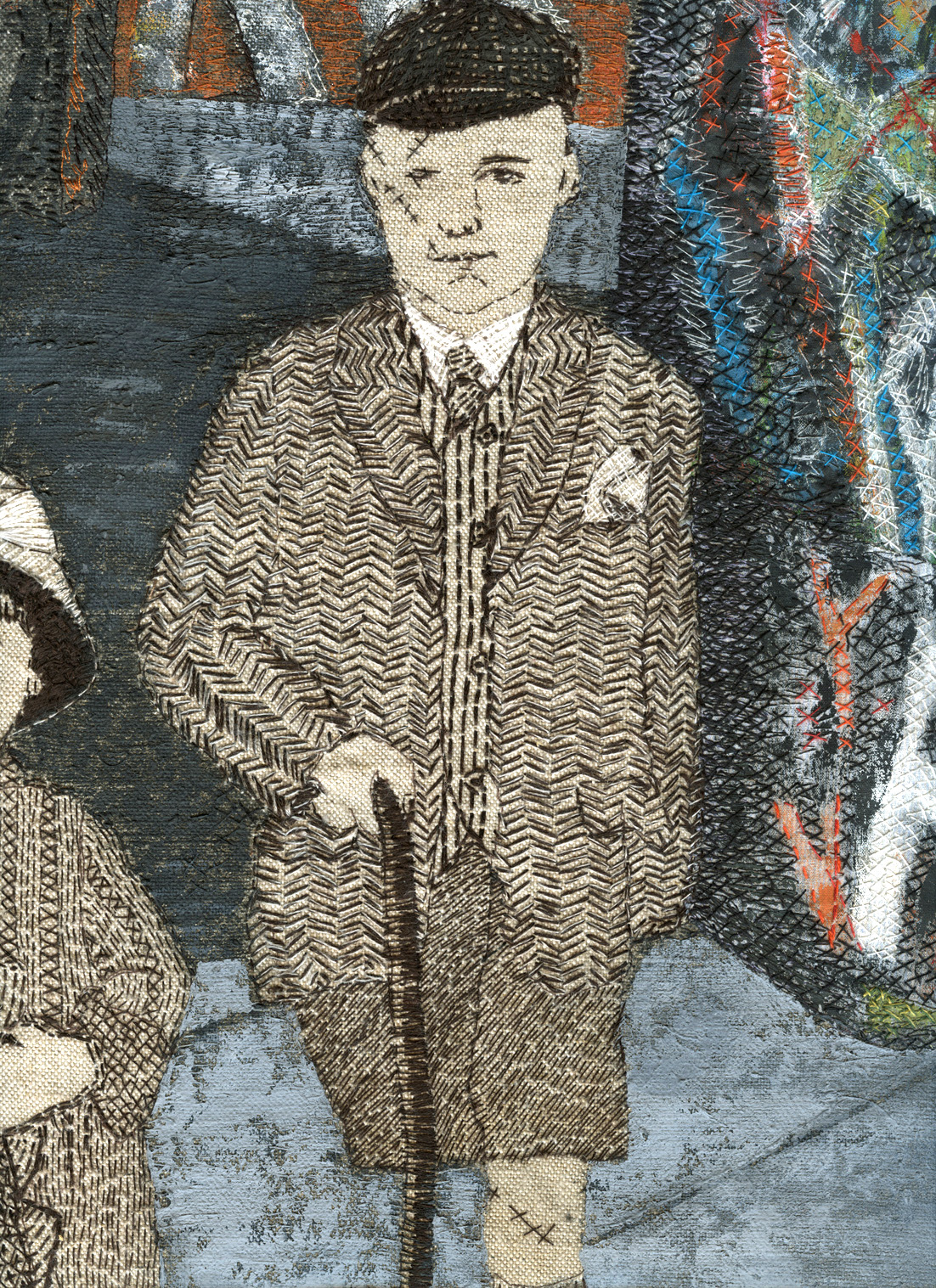
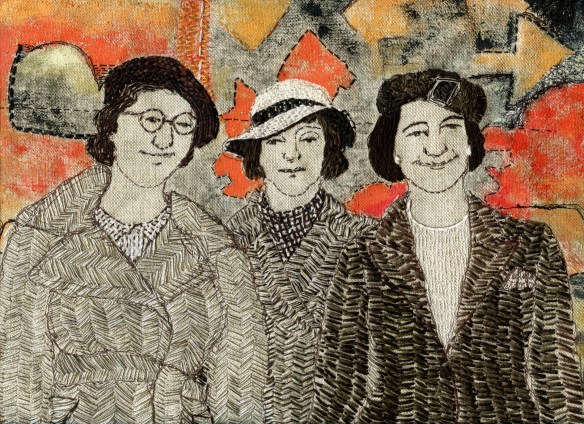
Another of my frequently used straight stitches is Arrowhead Stitch. I often use this simple straight stitch to form a ‘mock’ herringbone pattern which evokes the look of a woven herringbone tweed fabric. This is achieved by combining 2 different colours of thread in the same needle. It’s so useful for making patterns on coats and jackets as seen below.


3 • Cross Stitch
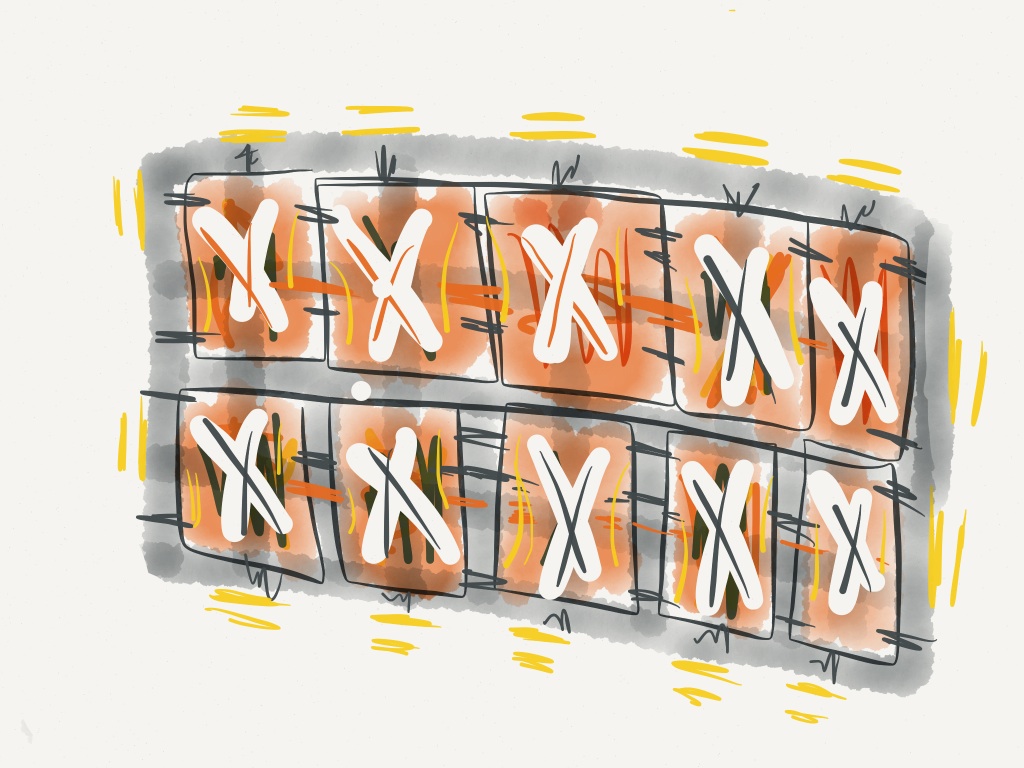
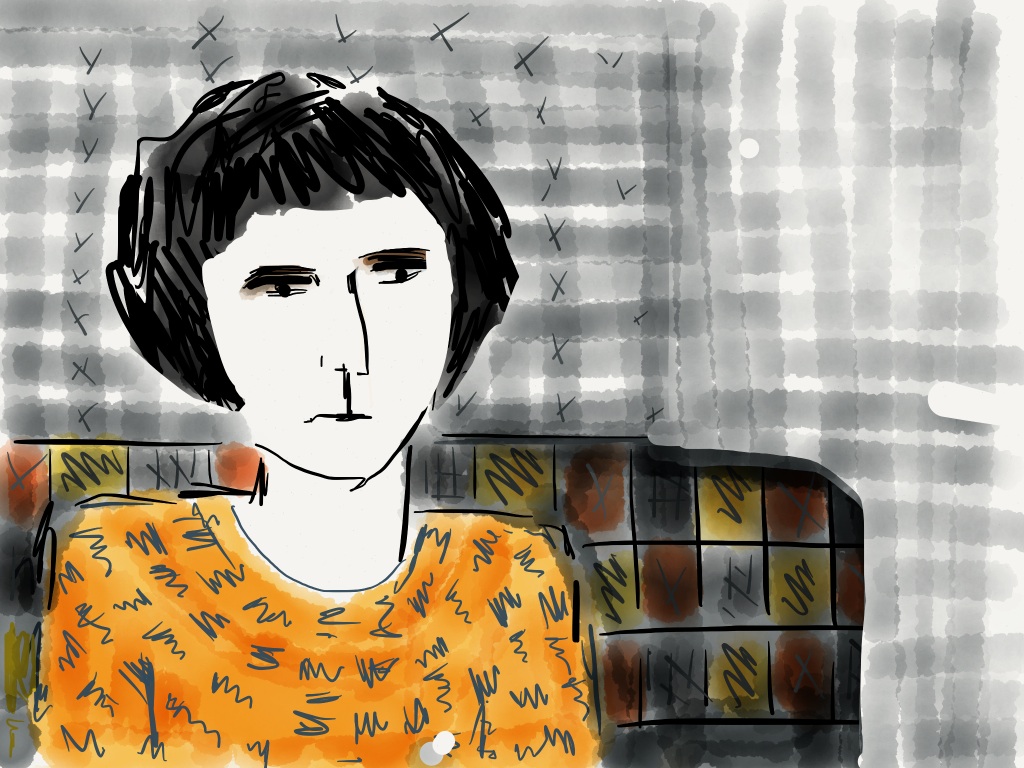
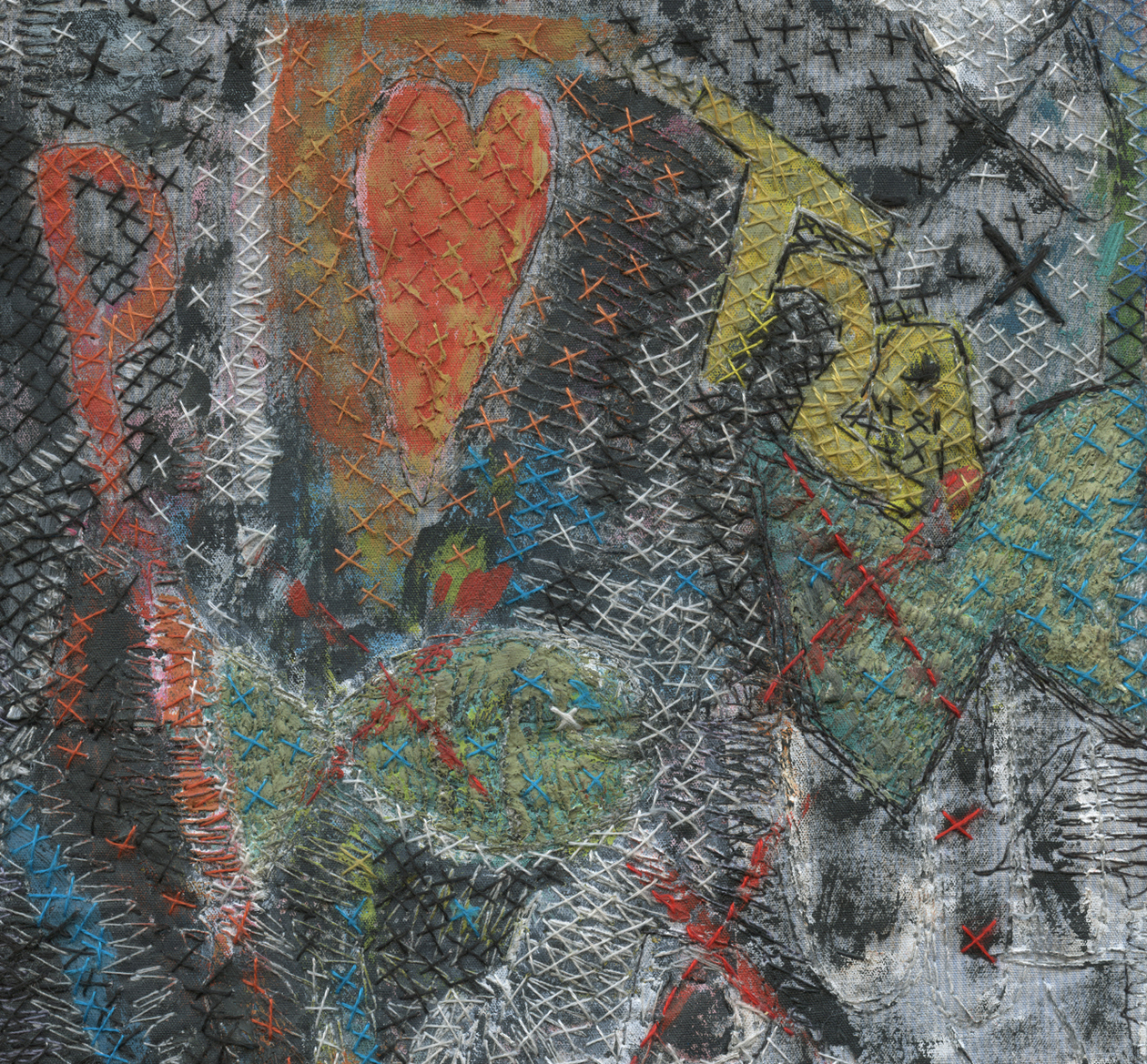
More recently I have been using a lot of Cross Stitch in a free, non-formal way to create patterns on dresses and also a colour filling stitch on my Graffiti series. Vary the size and of the stitch and the thickness of the thread for for more variety of finished surfaces.


4 • Darning Stitch ( Needleweaving)
Darning Stitch or Needleweaving as I prefer to call it is a great stitch effect for drawing house bricks. A long straight stitch forms the warp for the area you want to fill and then using the needle to weave your thread in and out of the warp stitch to form the weft building it up until the whole area is filled.

5 • Couching
This versatile stitch is used to hold a thicker thread onto a background by stitching it down to form shapes or to fill an area. Vary it by using a different colour, a cross stitch or an angled stitch on the top instead of a straight stitch.
Enjoyed seeing my favourite stitches? Let me know what yours are.
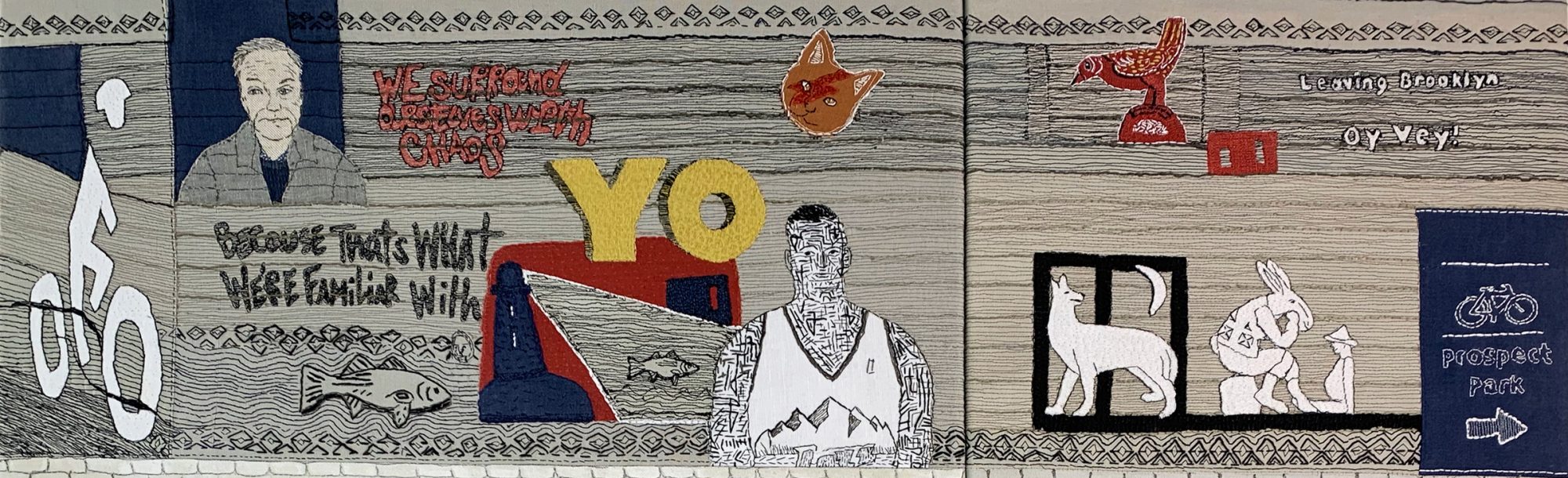
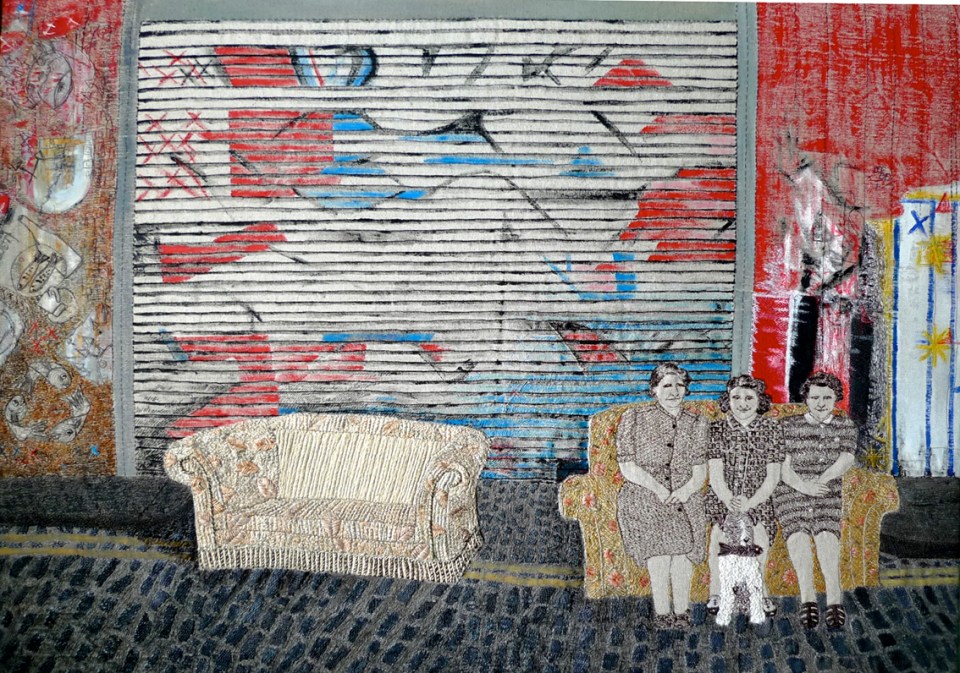


Designer Crafts at the Mall 2013 is nearly here. I’m frantically trying to get organised along with my preparations for Christmas. I will be showing some large textile mixed media, embroidery in the exhibition and also some small hand embroidered studies and handmade cards and postcards will also be for sale in the Shop within the Show. Click here for more images and information .

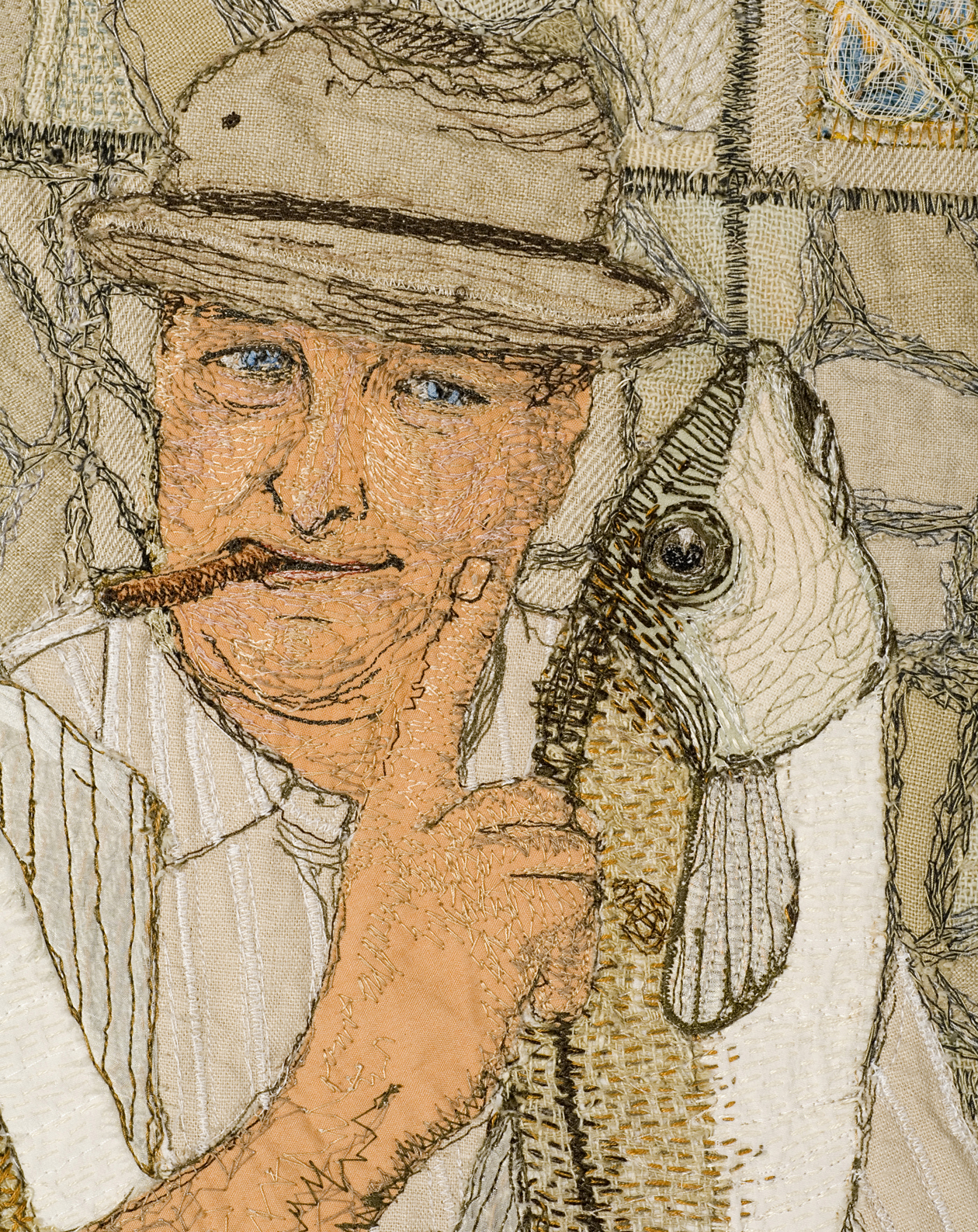
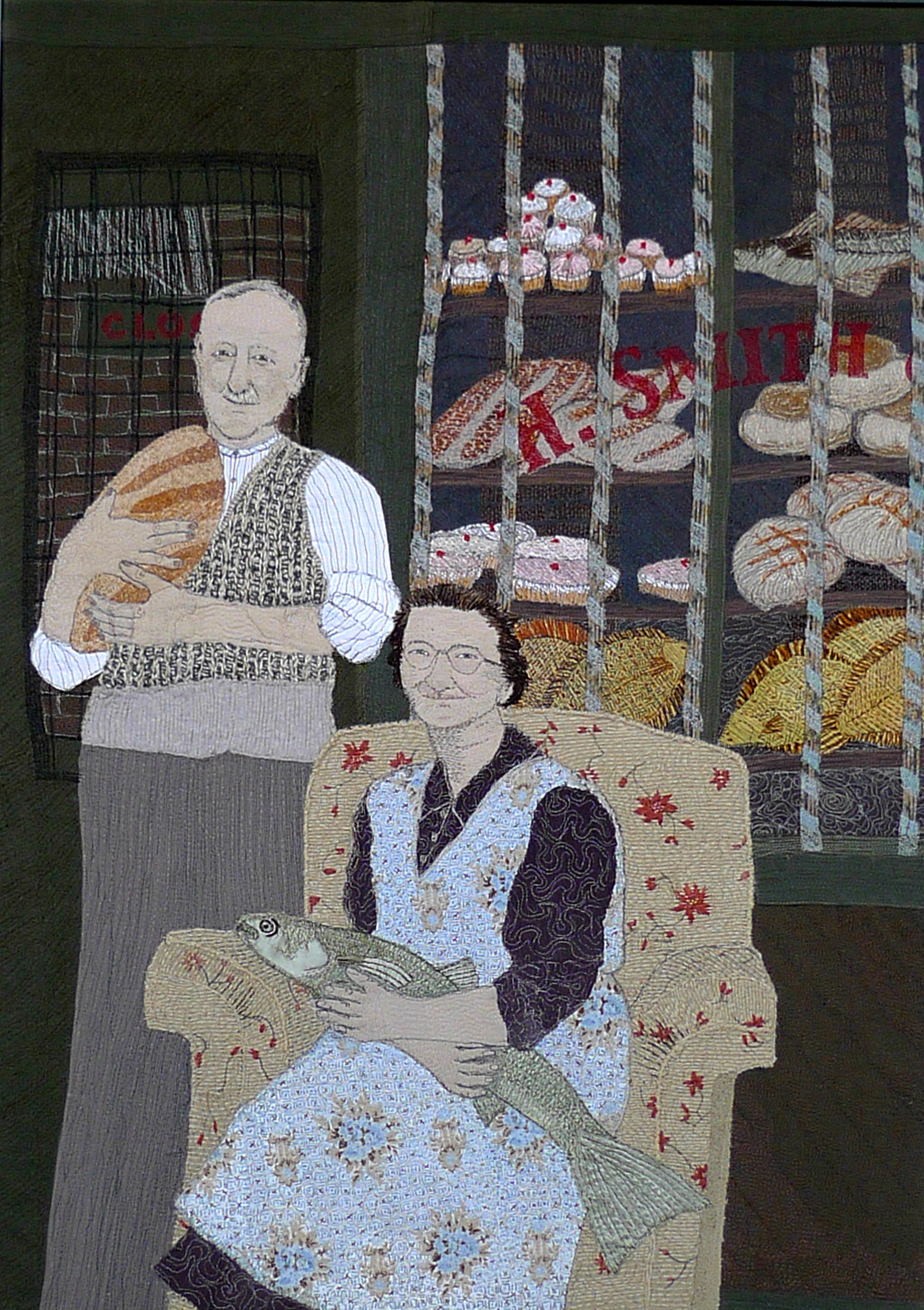
Just got my copy of Textiles: The Art of Mankind by Mary Schoeser. It’s an impressive and lavishly illustrated large tome 24 x 29 cms in size with over 1,000 full colour illustrations. Looking forward to reading and re-reading this fantastic reference book. I immediately looked in the index for my name as I had been informed that some of my work would be included in the book. Oh my goodness, my portrait of my husband in Barcelona ‘David as Dali‘ 2010 is there full page, in all its glory on page 350. My Grandparents portrait ‘Loaves and Fishes’ 2010 is also there on page 348. The book is published by Thames & Hudson ISBN 978-0-500-51645-4 and is available on Amazon.

I have just come across this exhibition at the Wellcome Trust by Georgie Meadows who is a Monmouth based artist and occupational therapist. The exhibition explores personal experiences of ageing and dementia. The stitched portraits are of people she knows or has cared for. It looks really interesting. Wish I was able to get there. More info at:
http://www.wellcomecollection.org/whats-on/exhibitions/georgie-meadows.aspx
For some reason none of the links to this exhibition from the Wellcome Collection site will work from this blog but if you paste the address or Google Georgie Meadows it comes up straightaway.
Now the dust has settled from my week in London I will show you some of the highlights of the 62 Group ‘Package Tour’ stand at Alexandra Palace. My favourite has to be Audrey Walker’s ‘Still Life’ a simple still life featuring a gin bottle. A masterful use of a simple straight stitch. The piece reminds me of what I was taught at Goldsmiths by Constance Howard in the 1970s which is that we stitchers don’t need to know hundreds of stitches we just need to use the ones we do know well. See my full review of the show at : http://www.textileartist.org/review-of-the-knitting-stitching-show-alexandra-palace-2012/
Two more highlights for me which show the diversity of the group are Heather Belcher’s felt ‘Blanket’ and Helen Weston’s ‘Chink in the Armour’ which are also shown below.


The Knitting and Stitching Show is nearly upon us and I shall be travelling to London for the first show at Alexandra Palace next week. I am helping to install the 62 Group of Textile Artists’ ‘Package Tour’ exhibition and will also be on our Stand TGJ3 on Thursday afternoon.
My work ‘Some Things never Change’ can be seen in the exhibition. For more information about this work click on the “Some Things Never Change’ link above.
I am looking forward to seeing how fellow members of the group have risen to the challenge of fitting their work within a box of a set size. As I usually present my own work on a stretcher and sometimes frame it I decided to make my work as a hanging and roll it up to make it fit into the box.
It will be great to meet lots of new people at the show and there will be the opportunity to buy the 62 Group book, RADICAL THREAD, on the stand at a special Knitting and Stitching Show promotional price of £15 which is a saving of £4.50 on the recommended retail price. The book which celebrates our 50th Anniversary, is a great read.